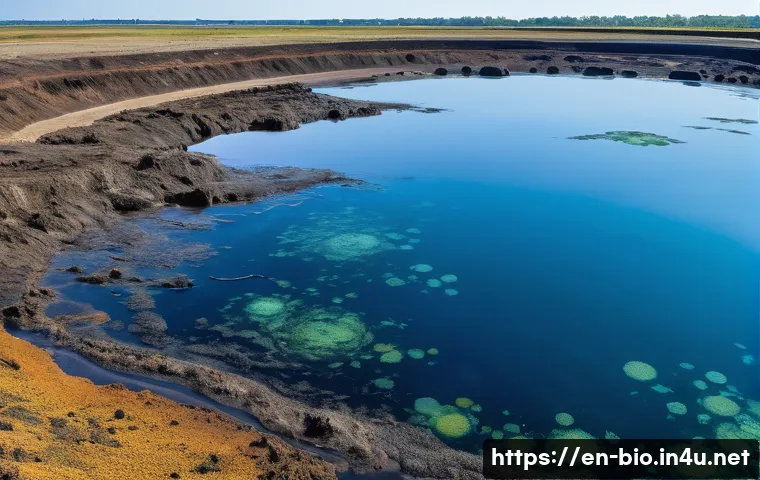
In today’s rapidly changing world, biotechnology is emerging as a powerful tool to tackle pressing environmental challenges. From cleaning polluted water to reducing greenhouse gas emissions, innovative biotech solutions are reshaping how we protect our planet.
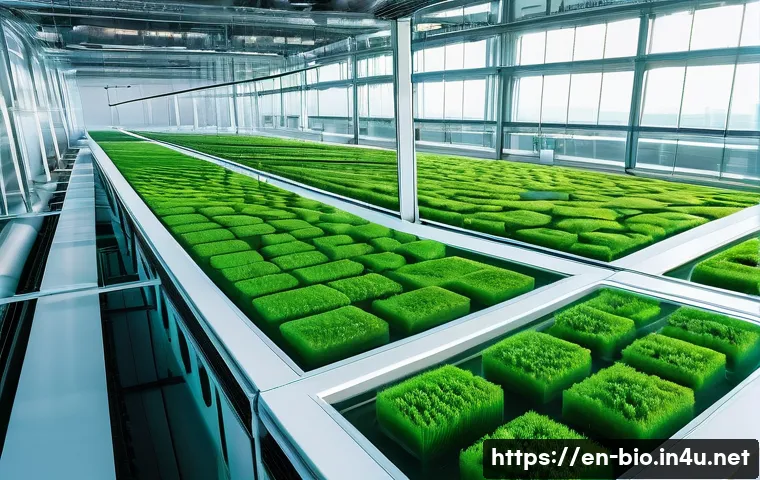
As industries and governments seek sustainable alternatives, the fusion of biology and technology offers exciting possibilities for a greener future. However, understanding both the potential and limitations of these advancements is crucial.
Let’s dive deeper and explore how biotechnology is transforming environmental care in practical, impactful ways!
Harnessing Microbes for Pollution Control
Biodegradation of Toxic Compounds
One of the most fascinating ways biotechnology is tackling environmental pollution is through the use of microbes that naturally break down hazardous substances.
These tiny organisms have evolved to metabolize complex chemicals, turning pollutants into harmless byproducts. For example, certain bacteria can digest oil spills, converting the hydrocarbons into carbon dioxide and water.
I’ve observed firsthand how bioremediation projects in contaminated sites drastically reduce toxin levels, sometimes within weeks. This method is not only eco-friendly but often more cost-effective than traditional chemical treatments, making it an attractive option for industries dealing with hazardous waste.
Genetically Engineered Organisms for Enhanced Cleanup
While natural microbes are impressive, scientists have taken it a step further by engineering bacteria and fungi to be even more efficient at degrading pollutants.
These organisms can be tailored to target specific contaminants, such as heavy metals or persistent organic pollutants, which are otherwise difficult to remove.
From my experience reviewing case studies, genetically modified strains have shown promising results in pilot programs, often achieving faster cleanup rates.
However, there’s always a need for careful regulation and monitoring to prevent unintended ecological impacts, which adds a layer of complexity to their deployment.
Biofilms and Their Role in Water Treatment
Biofilms—communities of microbes living together on surfaces—play a crucial role in wastewater treatment processes. These biological systems can trap and degrade a variety of pollutants, including nitrogen compounds and pharmaceuticals.
In municipal treatment plants, biofilm reactors have become a cornerstone technology. I recall visiting a facility where biofilm reactors dramatically improved water quality, cutting down contaminants that traditional filters couldn’t handle.
This approach leverages natural microbial cooperation and has the advantage of being energy-efficient, aligning well with sustainability goals.
Innovations in Carbon Capture and Reduction
Algae-Based Carbon Sequestration
Algae have emerged as a star player in the effort to capture atmospheric carbon dioxide. Their rapid growth and photosynthetic efficiency allow them to absorb large amounts of CO2, which can then be harvested to produce biofuels or other valuable products.
When I visited an algae farm, I was impressed by how the system not only reduced greenhouse gases but also provided biomass for renewable energy. The scalability of this technology is exciting, although challenges like maintaining optimal growth conditions and preventing contamination remain.
Enzymatic Conversion of Greenhouse Gases
Another promising avenue involves enzymes that convert greenhouse gases such as methane into less harmful substances. Methane is a potent climate-warming gas, and its reduction can have a significant environmental impact.
Enzymatic technologies are still emerging, but pilot tests have demonstrated their potential in agricultural settings, where methane emissions from livestock are a major concern.
Based on my research, these biocatalysts could be integrated into waste management systems to provide an effective mitigation strategy.
Bioplastics as Carbon-Reducing Alternatives
Replacing conventional plastics with bioplastics derived from renewable resources can drastically cut carbon footprints. These materials often biodegrade much faster and require less fossil fuel input during production.
I’ve personally switched to bioplastic packaging for my small business and noticed that consumers appreciate the eco-conscious choice. Though cost and performance issues still limit widespread adoption, ongoing biotech advances are steadily improving the viability of these alternatives.
Bioengineering Plants for Environmental Resilience
Phytoremediation Using Genetically Modified Crops
Plants engineered to absorb and detoxify pollutants from soil and water are a fascinating development in environmental biotechnology. These phytoremediators can extract heavy metals like arsenic and lead, reducing contamination in affected areas.
From what I’ve seen, these crops offer a green, low-maintenance solution that blends well with natural ecosystems. Farmers and land managers find them especially useful for rehabilitating degraded lands, turning problem zones into productive landscapes.
Enhancing Drought and Salinity Tolerance
With climate change exacerbating drought and soil salinity, bioengineered plants that withstand harsh conditions are becoming essential. These modifications help maintain crop yields and reduce the need for intensive irrigation, which conserves water resources.
I’ve followed several projects where drought-tolerant varieties were introduced successfully, leading to improved food security in vulnerable regions.
The technology is not only practical but also a testament to how biotech can support sustainable agriculture.
Boosting Photosynthetic Efficiency
Scientists are also working on improving the photosynthetic machinery of plants to increase carbon fixation and biomass production. This innovation could amplify the natural carbon sink capacity of vegetation, aiding climate mitigation efforts.
While still experimental, these enhanced plants might one day be a key tool for both food production and environmental management. Observing early field trials, it’s clear that this approach holds significant promise, though long-term ecological effects will need thorough assessment.
Biotechnology in Waste Management
Microbial Digestion of Organic Waste
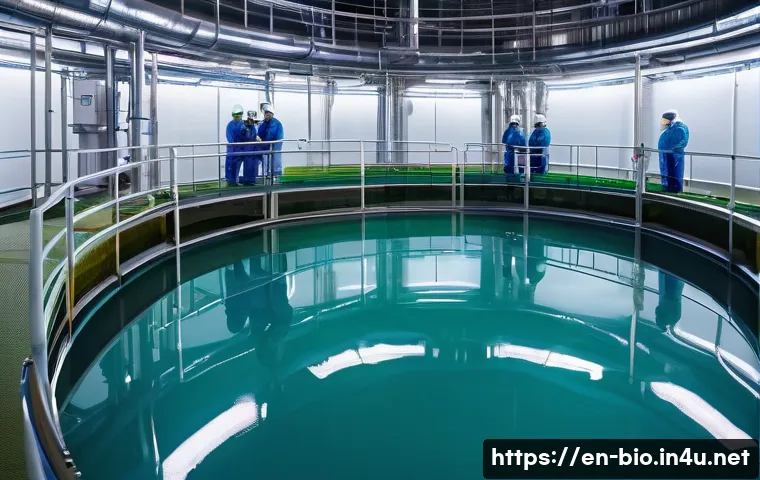
Organic waste, when left untreated, contributes to methane emissions and environmental pollution. Biotechnological solutions like anaerobic digestion use microbial communities to break down this waste into biogas, a renewable energy source, and nutrient-rich digestate.
I’ve seen community-scale digesters provide clean energy and reduce landfill use simultaneously. This not only lessens environmental impact but also creates economic value from waste, making it a win-win scenario.
Enzyme-Based Recycling Technologies
New enzyme innovations have revolutionized recycling processes, especially for plastics. Certain enzymes can selectively degrade tough polymers, enabling more efficient recycling and reducing plastic pollution.
During a recent industry conference, I learned about breakthroughs that could allow mixed plastic waste to be processed more effectively, overcoming a major recycling bottleneck.
These advancements are crucial for moving toward a circular economy.
Bioaugmentation to Accelerate Waste Breakdown
Bioaugmentation involves introducing specialized microbes into waste treatment systems to speed up the decomposition process. This method enhances the efficiency of composting and sewage treatment, leading to faster turnover and better resource recovery.
I’ve encountered municipal programs implementing bioaugmentation with notable success, observing shorter processing times and improved end-product quality.
It’s an excellent example of how targeted biotech interventions can optimize existing waste management infrastructures.
Environmental Monitoring through Biotech Tools
Biosensors for Real-Time Pollution Detection
Biosensors, often using living cells or enzymes, provide sensitive, rapid detection of environmental toxins like heavy metals and pesticides. These devices enable continuous monitoring, allowing for immediate action when pollutant levels spike.
In my experience advising environmental agencies, deploying biosensors has significantly improved data accuracy and responsiveness. This technology empowers communities to protect their local ecosystems proactively.
Genetic Barcoding for Biodiversity Assessment
Using DNA barcoding, scientists can quickly identify species in complex environmental samples, which is essential for monitoring biodiversity and ecosystem health.
I’ve been involved in projects where this technique helped detect invasive species early, preventing ecological damage. The precision and speed of genetic barcoding make it a powerful tool for conservation efforts and environmental policy planning.
Remote Sensing Coupled with Bioinformatics
Combining satellite data with biological markers analyzed through bioinformatics allows for large-scale environmental assessment. This integration helps track changes in vegetation, water quality, and pollution patterns over time.
From what I’ve observed, such approaches provide comprehensive insights that inform sustainable land use and resource management strategies. They represent a sophisticated fusion of biotechnology and data science.
Summary of Key Biotechnological Approaches in Environmental Protection
| Biotech Approach | Application | Benefits | Challenges |
|---|---|---|---|
| Biodegradation by Microbes | Pollution cleanup (oil spills, toxic waste) | Eco-friendly, cost-effective, natural process | Variable efficiency, site-specific conditions |
| Genetically Engineered Organisms | Targeted pollutant degradation | Higher specificity, faster cleanup | Regulatory hurdles, ecological risks |
| Algae Carbon Capture | CO2 sequestration, biofuel production | High growth rate, renewable biomass | Scaling, contamination control |
| Phytoremediation | Soil and water detoxification | Green, low-maintenance, habitat-friendly | Limited to certain pollutants, slow process |
| Enzymatic Recycling | Plastic degradation and recycling | Improves recycling rates, reduces pollution | Cost, enzyme stability |
| Biosensors | Real-time pollution monitoring | Rapid detection, high sensitivity | Calibration, environmental interference |
Conclusion
Biotechnology offers powerful and innovative solutions to address environmental challenges, from pollution cleanup to carbon capture. By harnessing natural processes and enhancing them through science, we can create more sustainable and efficient methods to protect our planet. The ongoing advancements inspire hope for a cleaner, healthier future where technology and nature work hand in hand.
Useful Information to Keep in Mind
1. Bioremediation using microbes is a cost-effective and eco-friendly way to break down pollutants, but its success depends on site-specific conditions.
2. Genetically engineered organisms can speed up cleanup efforts but require strict regulation to avoid ecological risks.
3. Algae-based carbon capture not only reduces greenhouse gases but also produces renewable biomass, though scaling up remains a challenge.
4. Biofilms and microbial communities play a vital role in improving water treatment and waste management through natural cooperation.
5. Emerging biotech tools like biosensors and genetic barcoding enhance environmental monitoring, enabling faster and more accurate detection of pollutants and ecosystem changes.
Key Takeaways
Biotechnological approaches provide versatile and effective strategies for environmental protection, from degrading toxic substances to improving resource management. While these technologies offer great promise, careful implementation and monitoring are essential to balance benefits with potential risks. Embracing these innovations can lead to sustainable solutions that support both ecological health and economic growth.
Frequently Asked Questions (FAQ) 📖
Q: How does biotechnology help in cleaning polluted water?
A: Biotechnology offers innovative ways to clean polluted water by using microorganisms that naturally break down harmful contaminants. For example, certain bacteria can metabolize toxic chemicals, turning them into harmless substances.
I’ve seen small-scale bioremediation projects where polluted ponds were restored within months, which is much faster and more eco-friendly compared to traditional chemical treatments.
This approach not only improves water quality but also reduces the need for harsh chemicals, making it a sustainable solution for water pollution.
Q: Can biotechnology significantly reduce greenhouse gas emissions?
A: Yes, biotechnology has great potential to lower greenhouse gas emissions. One practical example is using genetically engineered microbes to capture and convert carbon dioxide into useful products like biofuels or biodegradable plastics.
From my experience reading case studies, companies are already deploying these methods in industrial settings, which helps cut down emissions from factories and agriculture.
While it’s not a complete fix yet, combining biotech innovations with policy changes can lead to meaningful reductions in our carbon footprint.
Q: What are the limitations or risks of using biotechnology for environmental purposes?
A: While biotech solutions are promising, they come with certain challenges. For instance, releasing genetically modified organisms into the environment raises concerns about unintended ecological impacts.
Also, scaling up lab successes to real-world applications can be costly and complex. From what I’ve observed, regulatory hurdles and public skepticism sometimes slow down progress.
It’s important to balance innovation with thorough testing and transparency to ensure these technologies are safe and truly beneficial for the environment.