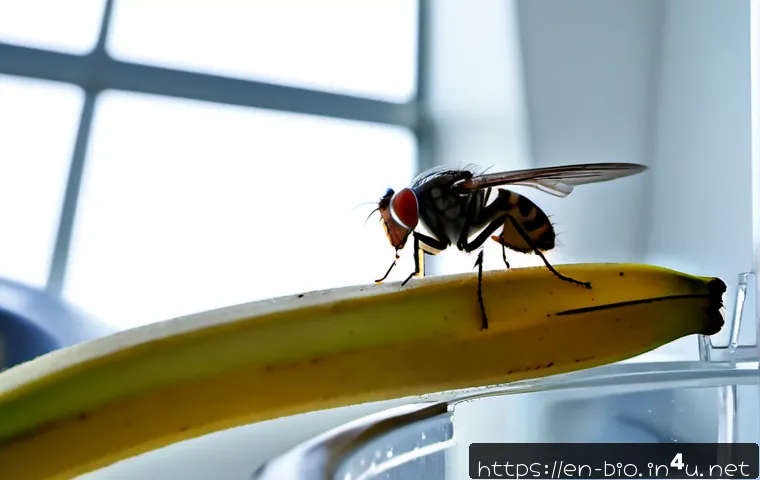
As climate change and habitat loss continue to reshape our planet, understanding the vital roles insects play in ecosystems has never been more crucial.
These tiny architects of nature often go unnoticed, yet their impact on pollination, soil health, and food webs is profound. Join me as we delve into the secret lives of these fascinating creatures and uncover how they quietly sustain the balance of life around us.
Whether you’re a nature enthusiast or just curious, this journey promises eye-opening insights into the hidden world beneath our feet. Let’s explore together how insects are far more than just bugs—they’re essential players in our planet’s future.
The Unsung Architects of Pollination
Beyond Bees: Diverse Pollinators in Action
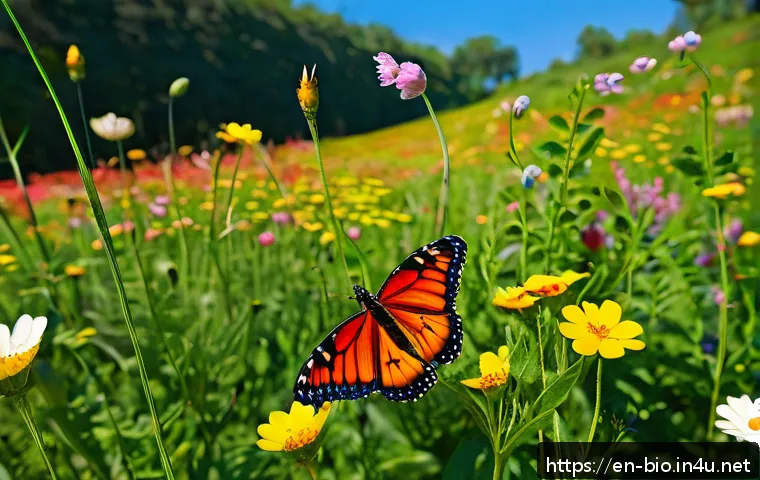
When we think of pollination, honeybees often steal the spotlight, but the reality is far richer. Various insects like butterflies, moths, beetles, and even some flies play crucial roles in transferring pollen.
Each of these pollinators has unique behaviors and preferences that help maintain the reproductive success of countless plant species. For instance, butterflies tend to favor brightly colored flowers with landing platforms, while beetles are drawn to flowers with strong scents and sturdy petals.
This diversity ensures that ecosystems can thrive even if one pollinator population declines, providing a natural resilience that’s vital in the face of environmental change.
How Insect Pollination Shapes Our Food Supply
It’s astonishing how much of the food we eat relies on insect pollinators. Fruits, vegetables, nuts, and seeds all depend on these tiny creatures. Crops like almonds, apples, and blueberries wouldn’t exist in their current abundance without insect pollination.
From personal experience, when I planted a small garden, I noticed how the presence of a variety of pollinators dramatically improved fruit set and quality.
This hands-on observation made me appreciate the invisible workforce buzzing around us every day, tirelessly supporting global food security.
Threats to Pollinator Populations and What It Means
Unfortunately, habitat loss, pesticide use, and climate shifts are hitting pollinator populations hard. The decline of any key pollinator species disrupts the delicate balance of plant reproduction, which can cascade through entire ecosystems.
Without enough pollinators, some plants fail to produce seeds, affecting animals that rely on those plants for food and shelter. This chain reaction highlights why protecting pollinators isn’t just about saving insects — it’s about safeguarding the entire web of life.
Guardians of Soil and Nutrient Cycling
Insects as Nature’s Soil Engineers
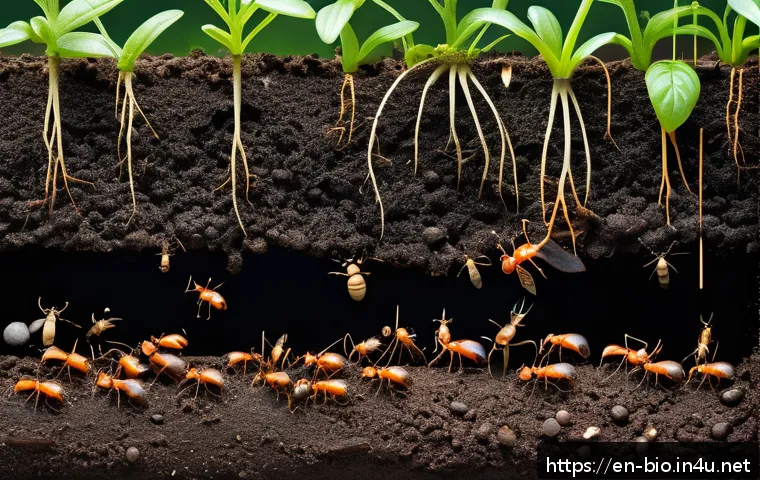
Insects like ants, termites, and beetles are remarkable soil engineers. Their burrowing and tunneling activities improve soil aeration and water infiltration, which promotes root growth and overall plant health.
I once observed a garden where ant colonies were particularly active; the soil was noticeably looser and more fertile than in other parts. These insects recycle organic matter, breaking down dead plants and animals into nutrients that nourish the soil.
This process supports healthy plant communities and reduces the need for artificial fertilizers.
The Role of Decomposers in Ecosystem Health
Decomposer insects such as dung beetles and certain fly larvae accelerate the breakdown of organic waste, turning it into valuable nutrients. Their work prevents the accumulation of dead material, which could otherwise harbor diseases or pests.
In agricultural settings, these insects contribute to nutrient cycling and soil fertility, enhancing crop yields naturally. Recognizing their importance has changed how I view “waste” — it’s actually a vital resource in the grand scheme of ecosystem functioning.
How Insect Activity Affects Carbon Storage
The way insects mix and aerate soil also impacts carbon cycling. By facilitating the decomposition of organic material and promoting root growth, they influence how much carbon is stored underground versus released into the atmosphere.
This subtle but significant effect makes insects indirect players in mitigating climate change. It’s fascinating to consider that such small creatures contribute to one of the planet’s biggest environmental challenges.
Insects as the Backbone of Food Webs
Primary Consumers and Their Predators
Many insects serve as primary consumers, feeding on plants and becoming a critical food source for birds, amphibians, reptiles, and mammals. Their abundance and diversity support a wide range of predators, creating a robust and dynamic food web.
I’ve spent time watching backyard birds and noticed how much they depend on caterpillars and other insects during breeding seasons to feed their young.
This interdependence highlights insects as foundational links that sustain biodiversity.
Predatory and Parasitic Insects: Nature’s Pest Controllers
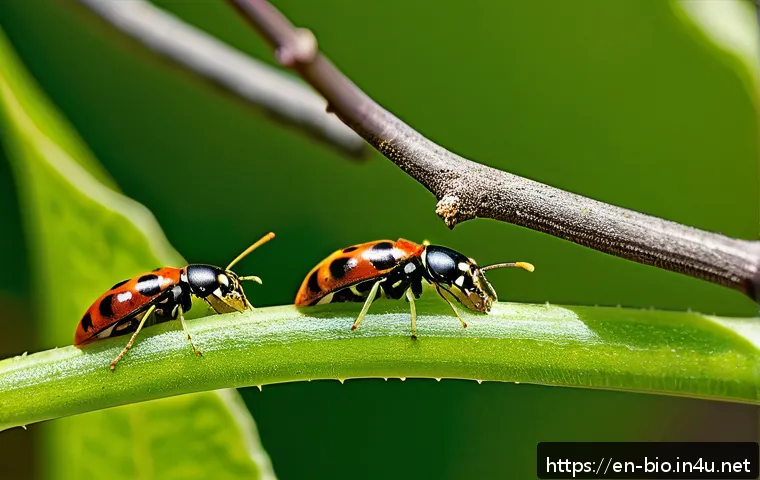
Some insects keep populations of other insects in check by preying on or parasitizing them. Ladybugs, for example, are famous for consuming aphids that damage crops and garden plants.
Parasitic wasps lay eggs inside pest insects, naturally curbing their numbers. These biological controls reduce the need for chemical pesticides, which can harm beneficial insects and the environment.
I’ve personally noticed healthier garden plants and fewer pest outbreaks when these natural allies are present.
The Impact of Insect Declines on Wildlife
When insect numbers drop, the ripple effects can devastate entire ecosystems. Birds that rely on insects for food may produce fewer offspring, and animals higher up the chain can suffer from reduced prey availability.
This cascade effect underscores the critical importance of maintaining healthy insect populations to preserve ecological balance and wildlife diversity.
Communication and Social Structures Among Insects
Complex Societies Beyond the Surface
Many insects exhibit extraordinary social behaviors, forming complex colonies with division of labor, communication, and cooperation. Ants, bees, and termites, for instance, operate as superorganisms, coordinating tasks like foraging, defense, and nest building.
Observing an ant colony in my own backyard revealed a level of organization and efficiency that’s truly mind-blowing. These social structures contribute to their survival and ecological success.
How Insects Communicate Using Chemicals and Signals
Insect communication often relies on pheromones—chemical signals that convey information about food sources, danger, or reproductive status. Some species also use visual cues, sounds, or tactile signals to coordinate group activities.
This sophisticated communication enables rapid responses to environmental changes and threats, enhancing the resilience of their populations.
The Role of Insect Communication in Ecosystem Functioning
Communication among insects influences behaviors that shape ecosystems, such as pollination timing, predator-prey interactions, and resource allocation.
These interactions create dynamic networks that sustain biodiversity and ecosystem services. Understanding these communication systems helps scientists develop better conservation strategies that support insect populations and the functions they perform.
Adaptations That Enable Survival in a Changing World
Physical and Behavioral Adaptations
Insects have evolved an incredible array of adaptations to survive diverse environments. Camouflage, mimicry, and chemical defenses protect them from predators, while behaviors like migration and diapause help them cope with seasonal changes.
Watching a praying mantis blend seamlessly into foliage is a vivid reminder of how evolution crafts survival strategies that are both ingenious and elegant.
How Climate Change Challenges Insect Adaptability
Rapid shifts in temperature and weather patterns test the limits of insect adaptability. Some species adjust by altering their life cycles or expanding their ranges, but others struggle to keep pace, leading to declines or local extinctions.
My observation of shifting butterfly emergence dates over recent years reflects these changes firsthand, revealing how climate stressors disrupt well-tuned ecological rhythms.
Human Efforts to Support Insect Resilience
Conservation initiatives like habitat restoration, pollinator-friendly gardening, and reduced pesticide use aim to bolster insect resilience. Community science projects also engage the public in monitoring insect populations, fostering awareness and action.
These efforts remind me that individual and collective choices can make a real difference in sustaining the tiny but mighty creatures that underpin our ecosystems.
Insects and Human Well-being: More Than Meets the Eye
Medicinal and Scientific Contributions
Insects have contributed to medical advances and scientific knowledge in surprising ways. For example, maggot therapy uses fly larvae to clean wounds and promote healing, while insect-derived compounds inspire new pharmaceuticals.
Their role in research helps us understand genetics, behavior, and ecology, opening doors to innovations that benefit human health.
Economic Value of Insect Services
The economic impact of insect services like pollination, pest control, and soil fertility is enormous. Pollination alone supports billions of dollars in global crop production annually.
Farmers and gardeners who rely on natural insect allies often save on costly chemicals and improve yields. Recognizing this value underscores why investing in insect conservation is also an investment in economic sustainability.
How Everyday Actions Can Protect Insects
Simple steps like planting native flowers, reducing pesticide use, and creating insect-friendly habitats can support local insect populations. Sharing these practices within communities amplifies their impact.
From personal experience, making small changes in my garden not only increased insect diversity but also brought unexpected joy watching these fascinating creatures thrive.
| Insect Role | Examples | Ecological Benefits | Human Impact |
|---|---|---|---|
| Pollinators | Bees, Butterflies, Beetles | Plant reproduction, food crop yields | Supports agriculture and food security |
| Soil Engineers | Ants, Termites, Beetles | Soil aeration, nutrient cycling | Enhances soil fertility, reduces fertilizer need |
| Decomposers | Dung beetles, Fly larvae | Organic matter breakdown, waste removal | Prevents disease, improves soil health |
| Predators & Parasitoids | Ladybugs, Parasitic wasps | Pest population control | Reduces pesticide reliance |
| Food Source | Caterpillars, Grasshoppers | Supports wildlife food webs | Maintains biodiversity |
In Conclusion
Insects play indispensable roles that often go unnoticed, supporting ecosystems, agriculture, and human well-being in countless ways. Their diversity and complex behaviors ensure the resilience of natural systems, even in challenging times. Protecting these tiny yet mighty creatures is essential for maintaining the delicate balance of life on Earth. By understanding and valuing their contributions, we can foster a healthier environment for future generations.
Useful Information to Know
1. Insects are vital pollinators beyond just bees, including butterflies, beetles, and flies, each supporting different plant species.
2. Soil health and nutrient cycling greatly benefit from insects like ants, termites, and decomposers, reducing the need for synthetic fertilizers.
3. Many insects serve as natural pest controllers, helping reduce reliance on harmful pesticides and promoting sustainable agriculture.
4. The decline in insect populations threatens entire food webs, impacting birds, mammals, and plant reproduction.
5. Simple actions such as planting native flowers and minimizing pesticide use can significantly support insect populations and biodiversity.
Key Takeaways
Insects are foundational to ecosystem health, offering pollination, soil enhancement, pest control, and serving as critical food sources. Their social behaviors and communication systems underpin ecological stability, while their adaptability faces increasing challenges from climate change and human activities. Protecting insects is not only about conserving wildlife but also about ensuring food security, environmental sustainability, and human health. Practical conservation efforts and informed community involvement can make a meaningful difference in sustaining these essential creatures.
Frequently Asked Questions (FAQ) 📖
Q: uestionsQ1: Why are insects so important to ecosystems and human life?
A: Insects play critical roles that directly support ecosystems and our daily lives. They are primary pollinators for many crops, which means without them, food production would drastically decline.
Additionally, insects help break down organic matter, enriching soil health and nutrient cycling. They also serve as a vital food source for countless animals, maintaining balanced food webs.
From personal experience, noticing how my garden flourishes with bees and butterflies around has made me appreciate their invisible yet indispensable contribution.
Q: How does climate change affect insect populations and their ecological roles?
A: Climate change disrupts temperature and weather patterns that insects rely on for survival and reproduction. Some species may shift their ranges, while others face habitat loss or decline due to altered flowering times of plants they depend on.
For example, I’ve observed that warmer springs can lead to mismatches between insect activity and plant blooming, which impacts pollination efficiency.
These changes ripple through ecosystems, threatening biodiversity and food security, highlighting why protecting insect habitats is urgent.
Q: What can individuals do to support insect conservation in their own communities?
A: Everyone can make a difference by creating insect-friendly environments. Planting native flowers, reducing pesticide use, and providing habitats like logs or leaf piles encourage beneficial insects to thrive.
I started a small pollinator garden last year, and it’s been rewarding to see bees and ladybugs visit regularly. Even simple actions like supporting local organic farms or educating others about insects’ roles can amplify conservation efforts.
Small steps collectively help sustain these vital creatures and the ecosystems they support.