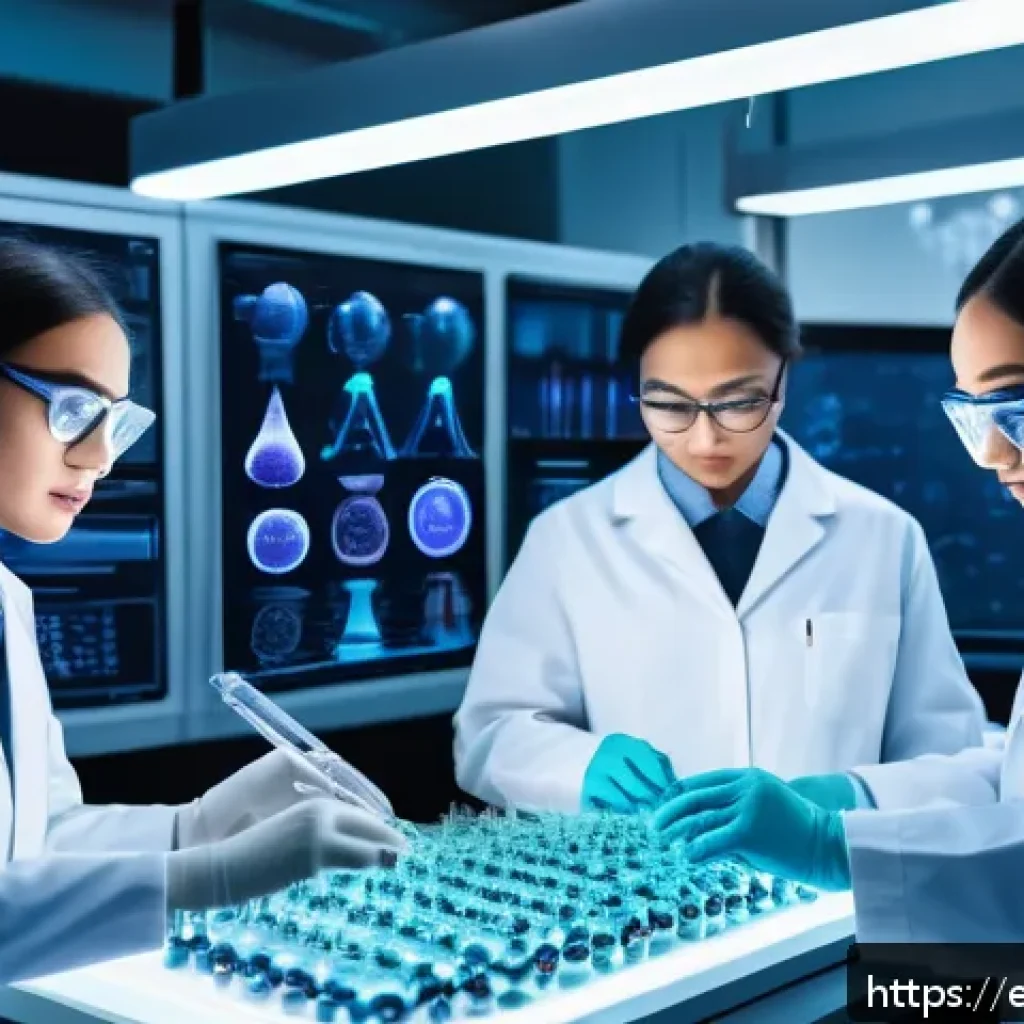
In recent years, breakthroughs in molecular biology have been transforming the way we understand life at its most fundamental level. From gene editing to personalized medicine, the secrets hidden within our DNA are unlocking unprecedented possibilities in healthcare and biotechnology.
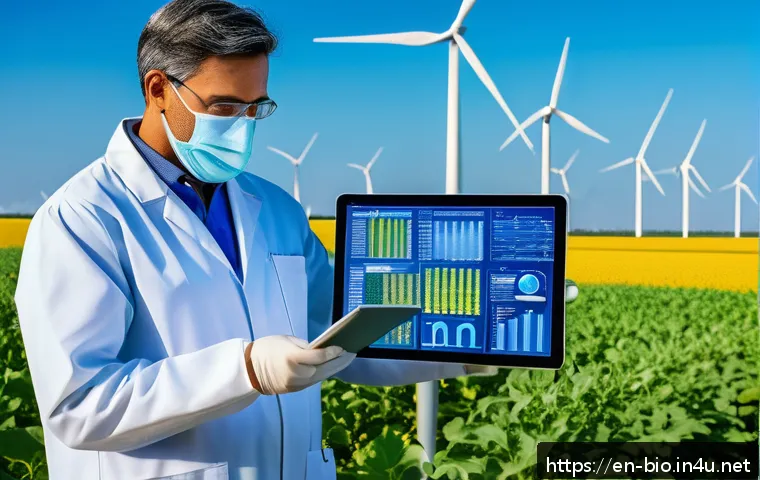
If you’ve ever wondered how scientists are turning genetic codes into life-saving treatments, you’re in the right place. Let’s dive into the fascinating world where molecular biology meets cutting-edge innovation, reshaping the future of medicine as we know it.
Stick around—this journey into the building blocks of life promises insights you won’t want to miss.
Unlocking the Power of Gene Editing
How CRISPR Revolutionized Genetic Science
CRISPR technology has been nothing short of a game changer in recent years. When I first read about it, I was amazed at how precisely scientists can now cut and modify DNA strands, almost like editing a sentence in a document.
This tool allows researchers to target specific genes with incredible accuracy, which was unimaginable just a decade ago. The ability to edit genes opens doors for correcting genetic disorders, improving crop resilience, and even combating infectious diseases.
What’s fascinating is the speed and simplicity CRISPR brings to the table compared to older, more cumbersome methods. It’s like having a molecular scalpel that’s not only precise but also affordable and accessible for many labs around the world.
Applications Beyond Medicine
While gene editing is often associated with curing diseases, its reach extends far beyond healthcare. In agriculture, for instance, scientists are creating crops that can withstand drought or resist pests without the need for harmful chemicals.
This not only benefits the environment but also helps farmers increase yields sustainably. Another exciting area is synthetic biology, where gene editing helps engineer microorganisms to produce biofuels or biodegradable plastics.
The possibilities seem endless, and it’s thrilling to witness how these tiny edits in DNA can ripple out to influence entire ecosystems and industries.
Ethical Considerations and Future Challenges
Despite the excitement, gene editing raises important ethical questions. I’ve noticed debates around editing embryos or making changes that could be passed down generations.
There’s a fine line between therapeutic use and enhancement, and society must tread carefully. Regulatory frameworks are still catching up with the technology’s rapid pace, which means responsible use is crucial.
Personally, I think ongoing public discussions and transparency from scientists are key to ensuring gene editing benefits everyone without unintended consequences.
Personalized Medicine: Tailoring Treatment to Your DNA
From One-Size-Fits-All to Custom Therapies
Personalized medicine is transforming how doctors approach treatment by focusing on an individual’s unique genetic makeup. Unlike traditional methods where everyone gets the same drug dose, this approach considers how genetic variations affect drug metabolism and disease risk.
I’ve seen firsthand how this can improve outcomes—patients get treatments that are more effective and cause fewer side effects. It’s like upgrading from a generic outfit to a tailor-made suit that fits perfectly.
Genomic Testing and Its Growing Role
Genomic testing has become more accessible and affordable, allowing more people to understand their DNA profiles. This information helps predict susceptibility to diseases like cancer or diabetes before symptoms appear.
Insurance companies and healthcare providers are beginning to integrate these insights into preventive care plans. For example, someone with a BRCA gene mutation might receive enhanced screening or preventive interventions.
The proactive nature of personalized medicine is a huge step forward in reducing the burden of chronic illnesses.
Challenges in Data Privacy and Interpretation
With great data comes great responsibility. The influx of personal genetic information raises concerns about privacy and data security. I’ve read stories of people worried about who might access their DNA data and how it could be used.
Moreover, interpreting genetic data accurately requires expertise and context—misinterpretation can lead to unnecessary anxiety or inappropriate treatments.
This makes it essential for genetic counseling to accompany testing, ensuring patients understand their results fully and make informed decisions.
The Role of Molecular Diagnostics in Early Disease Detection
Advances in Biomarker Identification
Molecular diagnostics is like having a detective that spots clues of disease at the earliest stages. Biomarkers—molecules that indicate normal or abnormal processes—are key to this.
Scientists have identified numerous biomarkers that signal cancer, infectious diseases, or autoimmune disorders before symptoms even show up. This early detection means treatments can start sooner, often improving survival rates significantly.
From my experience, the emotional relief of catching a disease early is priceless.
Technologies Driving Diagnostic Innovations
Techniques such as next-generation sequencing (NGS) and liquid biopsies are making molecular diagnostics more sensitive and less invasive. Instead of relying on tissue samples, liquid biopsies analyze blood to detect cancer DNA fragments, which is a huge leap in patient comfort and monitoring.
The speed of these tests has also improved, allowing for quicker clinical decisions. It’s impressive how far diagnostics have come, turning once complex and slow processes into routine, rapid tools.
Integrating Diagnostics with Treatment Plans
The synergy between diagnostics and therapeutics is reshaping patient care. For example, molecular diagnostics can reveal mutations in tumors that guide oncologists to choose targeted therapies rather than broad chemotherapy.
This precision reduces side effects and boosts effectiveness. In my conversations with healthcare professionals, they emphasize that molecular diagnostics is no longer just about detection but a critical component of personalized treatment strategies.
Exploring the Frontier of Synthetic Biology
Building Life from Scratch
Synthetic biology fascinates me because it’s about designing and constructing new biological parts and systems. Scientists are essentially programming cells like computers to perform specific tasks, such as producing medicines or breaking down pollutants.
This engineering approach to biology feels like science fiction come to life. The creativity involved in assembling biological components to create novel functions is inspiring and opens up solutions to problems traditional biology can’t solve.
Real-World Applications Transforming Industries
You can find synthetic biology behind many everyday innovations—from insulin production to bioengineered fabrics. Companies are now creating microbes that manufacture complex drugs more efficiently and at lower costs.

Environmental applications include bacteria engineered to degrade plastics or absorb carbon dioxide, contributing to sustainability efforts. The versatility of this field is unmatched, and it’s reshaping industries by making production cleaner, faster, and more adaptable.
Balancing Innovation with Safety
With such powerful tools, safety is a top priority. I’ve noticed that researchers follow strict protocols to prevent unintended release of engineered organisms into the environment.
Regulatory agencies worldwide are working on guidelines to ensure synthetic biology advances responsibly. Public engagement and education also play vital roles in addressing fears and misconceptions.
The balance between pushing boundaries and protecting health and ecosystems is delicate but essential.
Epigenetics: Beyond DNA Sequence
Understanding Gene Expression Control
Epigenetics adds a fascinating layer to genetics by showing how gene activity can be switched on or off without changing the underlying DNA sequence. This mechanism explains how identical twins can have different traits or disease risks despite sharing the same genes.
I find it amazing how lifestyle, environment, and even diet can influence epigenetic marks, thereby affecting health outcomes. It’s like having a dimmer switch for genes that responds to external signals.
Impact on Disease and Aging
Research reveals that epigenetic changes play roles in cancer development, neurological disorders, and aging processes. Unlike DNA mutations, some epigenetic modifications are reversible, which opens therapeutic possibilities.
Drugs targeting epigenetic enzymes are already in use for certain cancers, and ongoing studies aim to harness epigenetics for regenerative medicine. The dynamic nature of epigenetics offers hope for interventions that adjust gene expression patterns to restore health.
Challenges in Epigenetic Research
Despite its promise, epigenetics is complex and still not fully understood. I’ve noticed that pinpointing causal relationships between epigenetic changes and diseases can be tricky, given the interplay of multiple factors.
Technical challenges in measuring epigenetic modifications accurately also exist. Continued advances in technology and interdisciplinary collaboration are crucial for unraveling epigenetic mechanisms and translating findings into clinical practice.
Cutting-Edge Tools Accelerating Discovery
High-Throughput Sequencing and Its Impact
High-throughput sequencing technologies have dramatically accelerated molecular biology research. When I first used one of these platforms in a lab setting, I was blown away by how quickly and comprehensively it could decode entire genomes or transcriptomes.
This capability allows researchers to identify mutations, gene expression patterns, and microbial communities at an unprecedented scale. The flood of data generated fuels discoveries across medicine, agriculture, and ecology.
Bioinformatics: Making Sense of Big Data
Raw sequencing data is massive and complex, which is where bioinformatics steps in. Powerful algorithms and computational tools analyze and interpret this information, turning it into actionable insights.
I’ve observed that bioinformatics skills are increasingly essential for molecular biologists, bridging biology and computer science. This synergy enables personalized medicine, disease modeling, and evolutionary studies by extracting meaningful patterns from vast datasets.
Emerging Technologies on the Horizon
Beyond current tools, innovations like single-cell sequencing and spatial transcriptomics are pushing boundaries further. These methods provide detailed views of gene expression in individual cells and their spatial context within tissues.
Such resolution helps decode cellular heterogeneity in diseases like cancer or brain disorders. The rapid evolution of these technologies promises to deepen our understanding of biology at scales and precision once thought impossible.
| Technology | Application | Key Benefit | Challenges |
|---|---|---|---|
| CRISPR Gene Editing | Gene therapy, agriculture, synthetic biology | Precision, affordability, versatility | Ethical concerns, off-target effects |
| Personalized Medicine | Targeted drug therapies, disease risk prediction | Improved efficacy, reduced side effects | Data privacy, complex interpretation |
| Molecular Diagnostics | Early disease detection, treatment monitoring | Non-invasive, rapid results | Cost, accessibility in low-resource settings |
| Synthetic Biology | Biomanufacturing, environmental solutions | Innovative applications, sustainability | Regulatory oversight, biosafety |
| Epigenetics | Gene regulation, disease therapy | Reversibility, dynamic control | Complexity, measurement challenges |
| High-Throughput Sequencing | Genomics, transcriptomics, metagenomics | Comprehensive data, speed | Data analysis, storage needs |
In Conclusion
Gene editing and molecular technologies are transforming science and medicine at an unprecedented pace. From personalized treatments to sustainable solutions, these advancements hold immense promise for improving lives worldwide. However, with great power comes great responsibility, making ethical considerations and careful regulation essential. Embracing these innovations thoughtfully will shape a healthier and more sustainable future for all.
Useful Information to Know
1. Gene editing tools like CRISPR have revolutionized genetic research by enabling precise and affordable DNA modifications.
2. Personalized medicine tailors treatments based on individual genetic profiles, improving effectiveness and reducing side effects.
3. Molecular diagnostics enable early disease detection through non-invasive, rapid testing methods, improving patient outcomes.
4. Synthetic biology combines engineering and biology to create novel solutions in medicine, industry, and environmental conservation.
5. Epigenetics reveals how gene activity is influenced by environment and lifestyle, offering new avenues for disease therapy.
Key Takeaways
Advanced biotechnologies are reshaping multiple fields, but their benefits depend on responsible use, clear ethical frameworks, and public engagement. Understanding both the potential and limitations of these tools is critical for maximizing positive impact while minimizing risks. Continued innovation, combined with transparency and education, will ensure these breakthroughs serve humanity effectively and safely.
Frequently Asked Questions (FAQ) 📖
Q: How does gene editing technology like CRISPR actually work to change DN
A: ? A1: Gene editing tools such as CRISPR act like molecular scissors that can precisely cut DNA at specific locations. Scientists design a guide RNA that matches the target DNA sequence, directing the CRISPR-associated enzyme (usually Cas9) to the exact spot in the genome.
Once the DNA is cut, the cell’s natural repair mechanisms kick in, allowing scientists to delete, insert, or modify genetic material. I’ve seen firsthand how this precision has accelerated research, enabling treatments for genetic disorders that were once thought impossible to tackle.
Q: What are some real-life applications of personalized medicine based on molecular biology?
A: Personalized medicine uses genetic information to tailor treatments specifically to an individual’s unique genetic makeup. For example, in cancer therapy, doctors can analyze the mutations in a tumor’s DNA to select drugs that will be most effective, reducing side effects and improving outcomes.
Another area is pharmacogenomics, where genetic testing helps determine how a person metabolizes certain medications, guiding dosage decisions. From my experience, this approach not only improves patient care but also speeds up recovery times by avoiding trial-and-error treatments.
Q: Are there ethical concerns related to manipulating human DN
A: , and how are they addressed? A3: Absolutely, ethical concerns are a major part of the conversation around gene editing and molecular biology. Issues include potential unintended consequences, genetic discrimination, and the moral implications of altering human embryos.
Regulatory bodies and research institutions have established strict guidelines to ensure responsible use, emphasizing transparency, safety, and informed consent.
In practice, ongoing dialogue between scientists, ethicists, and the public is crucial to balance innovation with respect for human rights. From what I’ve observed, maintaining this ethical framework builds trust and supports sustainable progress in the field.