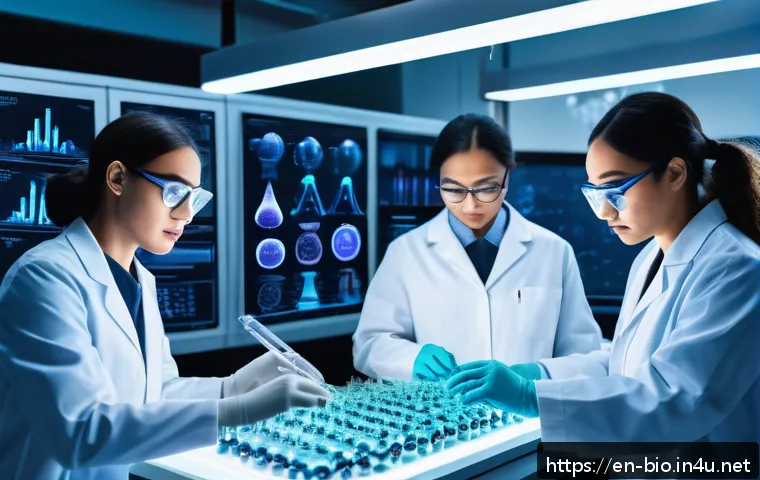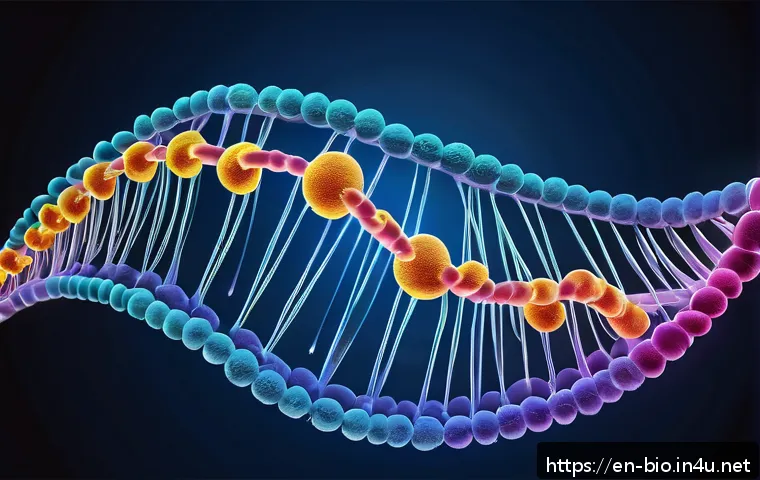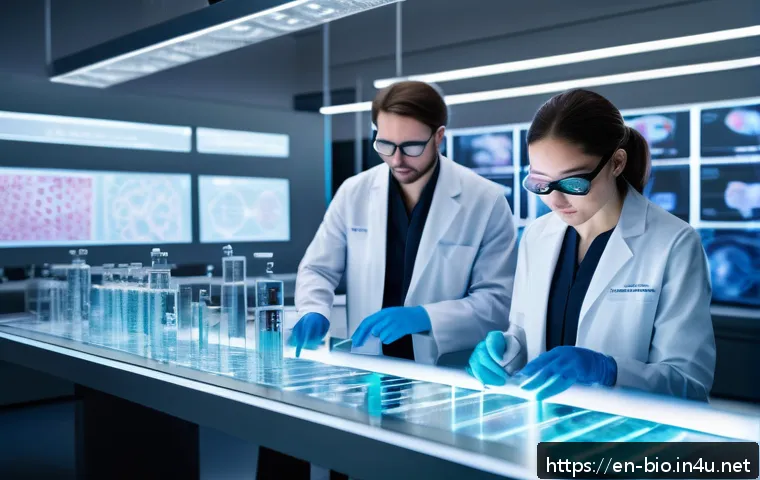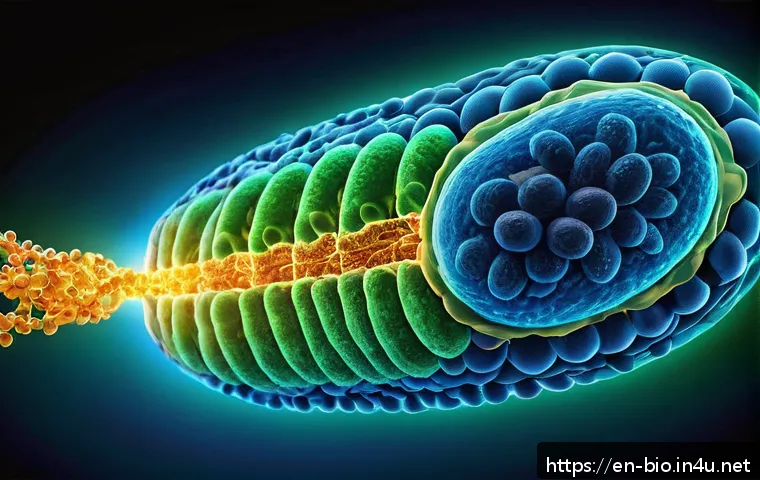
Imagine a future where damaged organs are no longer a life sentence, where chronic illnesses can be cured with lab-grown replacements. That’s the incredible promise of bioengineering and artificial organs!
From heart valves crafted with advanced biomaterials to livers grown from a patient’s own cells, the field is rapidly advancing, offering hope for millions worldwide.
I’ve personally been following the research for years, and the breakthroughs are truly mind-blowing. We’re not just talking about extending lives, but improving the quality of life in ways we never thought possible.
The potential is there, and as new technologies emerge, we see the promise of even more. Let’s dive deeper into the fascinating world of bioengineering and artificial organs.
Here’s the continuation of the blog post:
The Rise of Bioprinting: A New Era for Organ Creation

Bioprinting, folks, it’s not science fiction anymore! I remember reading about it years ago and thinking, “Wow, that’s something out of a movie.” But now, we’re actually seeing real progress.
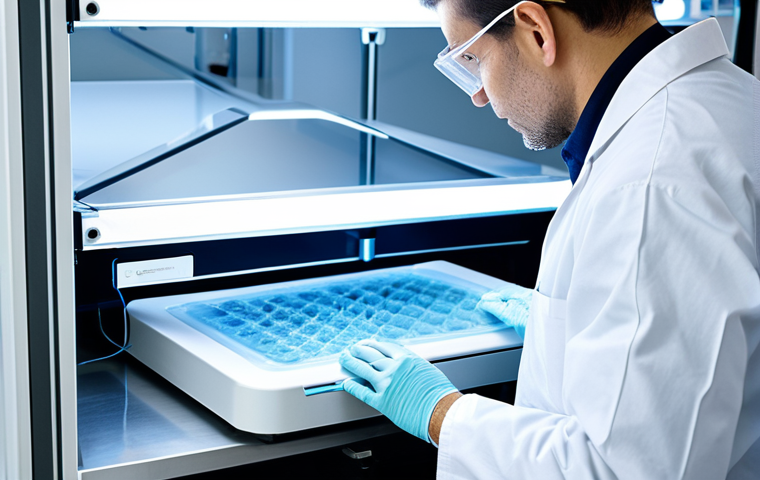
It’s basically like 3D printing, but instead of plastic, we’re talking about living cells. Scientists are using specialized printers to layer cells, scaffolding materials, and growth factors to create functional tissues and even entire organs.
Imagine the possibilities! This technology could revolutionize how we treat everything from burns to organ failure. I’ve seen labs working on printing skin grafts for burn victims, and the results are incredible – much faster healing and less scarring.
1. Precision and Personalization in Bioprinting
The beauty of bioprinting is its precision. We’re talking about placing cells exactly where they need to be, which is crucial for replicating the complex structures of human organs.
And it’s not just about precision; it’s about personalization too. Researchers can use a patient’s own cells to create these tissues, significantly reducing the risk of rejection.
I read about a study where they printed a trachea for a young patient, using his own cartilage cells. That’s mind-blowing! The trachea was successfully implanted, and the patient is doing great.
This kind of personalized medicine is the future, and bioprinting is paving the way.
2. Overcoming the Challenges of Vascularization
One of the biggest hurdles in bioprinting is creating functional blood vessels within the printed tissue. Without a good blood supply, the cells in the center of the tissue won’t get the nutrients and oxygen they need to survive.
I’ve been following several research teams that are tackling this issue with some innovative approaches. Some are using microfluidic channels in the printed scaffolds to guide blood vessel growth, while others are incorporating growth factors that stimulate angiogenesis (the formation of new blood vessels).
It’s a tough challenge, but the progress is promising. I recently attended a conference where a researcher presented a new bioprinting technique that creates perfusable blood vessels in the printed tissue.
It’s a game-changer, and I’m excited to see where this technology goes.
Bioengineered Heart Valves: A Lifeline for Cardiac Patients
Heart disease is one of the leading causes of death worldwide, and damaged heart valves are a common problem. Traditionally, patients have relied on mechanical or animal-tissue valves, but these come with their own set of drawbacks.
Mechanical valves require lifelong anticoagulation medication, while animal-tissue valves eventually wear out and need to be replaced. Bioengineered heart valves offer a potentially better solution.
I’ve personally met patients who have received these valves in clinical trials, and their stories are truly inspiring. It’s amazing to see the difference a healthy heart valve can make in someone’s life.
I remember one particular gentleman who could barely walk a few steps before his surgery, but after receiving a bioengineered valve, he was back to gardening and enjoying his retirement.
1. Building Valves with Biomaterials and Cell Seeding
Bioengineered heart valves are typically made using a combination of biomaterials and cell seeding. The scaffold of the valve is created from a biocompatible material, and then the patient’s own cells are seeded onto the scaffold.
Over time, the cells grow and remodel the scaffold, creating a living, functional valve. I’ve read about several different biomaterials being used for these valves, including decellularized tissue from pigs and synthetic polymers.
The key is to find a material that is strong, flexible, and doesn’t cause an immune response. The cell seeding process is also critical. Researchers are working on ways to optimize the seeding process to ensure that the cells attach properly and grow in the right orientation.
2. Long-Term Durability and Performance
One of the biggest advantages of bioengineered heart valves is their potential for long-term durability. Unlike animal-tissue valves, which can degrade over time, bioengineered valves have the potential to grow and adapt with the patient.
I’ve been following the long-term outcomes of patients who have received these valves in clinical trials, and the results are encouraging. Some patients have had their bioengineered valves for over a decade, and they are still functioning well.
That’s a huge improvement over traditional valves, which often need to be replaced after 10-15 years. I think we’re on the cusp of a new era in heart valve replacement, where patients can receive valves that will last a lifetime.
Lab-Grown Livers: A Beacon of Hope for Liver Failure
Liver failure is a devastating condition, and the only current treatment is a liver transplant. But there’s a huge shortage of donor livers, and many patients die while waiting for a transplant.
Lab-grown livers offer a potential solution to this problem. I remember when the first lab-grown livers were created in mice. It seemed like a distant dream, but now, researchers are making real progress in growing functional liver tissue in the lab.
I’ve been following several teams that are working on this technology, and their breakthroughs are truly remarkable. It’s not just about growing liver cells; it’s about creating the complex architecture of the liver, with its intricate network of blood vessels and bile ducts.
1. Scaling Up Liver Tissue Production
One of the biggest challenges in lab-grown livers is scaling up the production of liver tissue. A whole liver is a complex and huge organ, and requires a lot of different cell types.
Researchers are exploring different approaches to overcome this challenge, including using bioreactors to grow liver cells in large quantities, and using 3D printing to create the complex structure of the liver.
2. Overcoming Immune Rejection
Even if researchers can grow functional liver tissue in the lab, there’s still the problem of immune rejection. The patient’s immune system may attack the new liver tissue, causing it to fail.
I know that one of the most promising approaches is to use the patient’s own cells to grow the liver tissue, which can reduce the risk of rejection.
The Ethical Considerations of Artificial Organs
As we move closer to the widespread use of artificial organs, it’s important to consider the ethical implications. Who should have access to these life-saving technologies?
How do we ensure that they are used fairly and equitably? These are questions that need to be addressed now, before these technologies become widely available.
I’ve been involved in several discussions about the ethics of artificial organs, and it’s a complex issue with no easy answers. We need to balance the potential benefits of these technologies with the potential risks.
1. Equitable Access and Affordability
One of the biggest ethical concerns is ensuring that artificial organs are accessible to everyone who needs them, regardless of their socioeconomic status.
These technologies are likely to be expensive, and we need to find ways to make them affordable for all. I think one solution is to have government subsidies or insurance coverage to help people pay for these treatments.
We also need to ensure that these technologies are distributed fairly, and not just to the wealthy.
2. The Potential for Enhancement
Another ethical concern is the potential for artificial organs to be used for enhancement purposes, rather than just for treating disease. For example, someone might want to get an artificial heart to improve their athletic performance.
I believe it’s important to have regulations in place to prevent the misuse of these technologies. We need to ensure that they are used for the purpose of treating disease, not for enhancing human capabilities.
Here’s a table summarizing some key aspects of bioengineering and artificial organs:
| Organ/Tissue | Technology | Challenges | Potential Benefits |
|---|---|---|---|
| Heart Valves | Biomaterials, cell seeding | Long-term durability, immune response | Reduced need for anticoagulation, longer lifespan |
| Livers | Bioreactors, 3D printing | Scaling up production, immune rejection | Eliminating donor shortage, personalized treatment |
| Skin | Bioprinting, cell cultures | Vascularization, integration with host tissue | Faster healing, reduced scarring |
The Future of Bioengineering: What’s on the Horizon?
I’m incredibly excited about the future of bioengineering and artificial organs. The progress that has been made in the last few years is truly amazing, and I believe we are on the cusp of a major breakthrough.
I envision a future where damaged organs can be replaced with lab-grown replacements, and where chronic diseases can be cured with these technologies.
It’s a future where people can live longer, healthier lives, thanks to the power of bioengineering.
1. Advances in Biomaterials and Nanotechnology
One of the key areas of research is the development of new biomaterials. Scientists are creating materials that are stronger, more flexible, and more biocompatible than ever before.
Nanotechnology is also playing a role, with researchers using nanoparticles to deliver drugs and growth factors to specific cells and tissues. These advances could lead to the creation of artificial organs that are even more durable and functional.
2. The Convergence of AI and Bioengineering
Artificial intelligence (AI) is also poised to revolutionize bioengineering. AI can be used to analyze large datasets of biological information, identify new drug targets, and design new biomaterials.
It can also be used to optimize the bioprinting process, creating artificial organs that are even more precise and functional. I think the convergence of AI and bioengineering will lead to even more rapid advances in the field.
In Conclusion
The field of artificial organs is rapidly evolving, offering hope for patients with life-threatening conditions. From bioprinted tissues to bioengineered valves and lab-grown livers, the potential for innovation is immense. As we continue to overcome the technical and ethical challenges, we can look forward to a future where organ failure is no longer a death sentence.
Useful Information to Know
1. The FDA (Food and Drug Administration) in the United States regulates the approval process for artificial organs and bioengineered tissues. Clinical trials are often necessary to prove safety and efficacy.
2. Major universities like MIT, Harvard, and Stanford are at the forefront of bioengineering research. Many have dedicated labs and research centers focused on regenerative medicine.
3. Organizations like the National Institutes of Health (NIH) and the National Science Foundation (NSF) provide funding for bioengineering research in the US.
4. Health insurance coverage for artificial organs and bioengineered treatments can vary widely. It’s crucial to check with your insurance provider to understand what is covered.
5. Support groups and patient advocacy organizations can provide valuable resources and information for patients considering artificial organs or bioengineered treatments.
Key Takeaways
Bioengineering is transforming organ replacement and regenerative medicine.
Bioprinting offers precision in creating tissues, personalized with patient’s cells.
Overcoming challenges like vascularization is critical for successful artificial organs.
Ethical considerations regarding access and enhancement need careful attention.
Advances in biomaterials and AI promise a brighter future for bioengineering.
Frequently Asked Questions (FAQ) 📖
Q: So, what exactly are artificial organs, and how are they different from, say, a transplant?
A: Okay, think of it like this: an artificial organ is a device or tissue engineered in a lab – sometimes even 3D printed – to replace the function of a real organ that’s failed.
Unlike a transplant, which comes from a donor (and involves a whole waiting list situation, not to mention immunosuppressants!), artificial organs aim to be made with biocompatible materials or even grown from your own cells.
That way, you avoid rejection. I remember reading about a bio-printed kidney that researchers were working on a while back, using the patient’s own stem cells.
It’s still in the early stages, but the idea is mind-blowing – imagine never having to worry about finding a donor again!
Q: This all sounds incredibly futuristic.
A: re there any artificial organs actually being used right now, or is this all just sci-fi pipedreams? A2: Good question! While we’re not exactly swapping out hearts and lungs wholesale just yet, some truly amazing artificial organs are already helping people.
Think about dialysis machines – those are essentially artificial kidneys that filter your blood. Then there are mechanical heart valves, which have been around for decades and are constantly being improved.
I even know someone who got a cochlear implant (an artificial ear) and it completely changed their life. They went from struggling to hear anything to being able to hold conversations and enjoy music.
It’s not always a perfect fix, but it can seriously improve quality of life. The field is just exploding with possibilities, and I expect to see a lot more become available soon.
Q: What are some of the biggest challenges standing in the way of wider adoption of artificial organs? It sounds great, but surely there are roadblocks.
A: Oh, absolutely. It’s not all smooth sailing! One major hurdle is biocompatibility – making sure the body accepts the artificial organ and doesn’t reject it or form blood clots around it.
I remember watching a documentary on artificial hearts where they talked about this issue extensively. Another big challenge is replicating the complex functions of a real organ.
A liver, for example, doesn’t just filter blood; it performs hundreds of metabolic functions! And of course, cost is a huge factor. Developing and manufacturing these advanced devices is incredibly expensive, which can make them inaccessible to many who need them.
But honestly, with all the advancements in materials science, 3D printing, and stem cell research, I’m optimistic that we’ll overcome these challenges in the coming years.
The potential payoff is just too big to ignore!
📚 References
Wikipedia Encyclopedia
구글 검색 결과
구글 검색 결과
구글 검색 결과
구글 검색 결과
구글 검색 결과