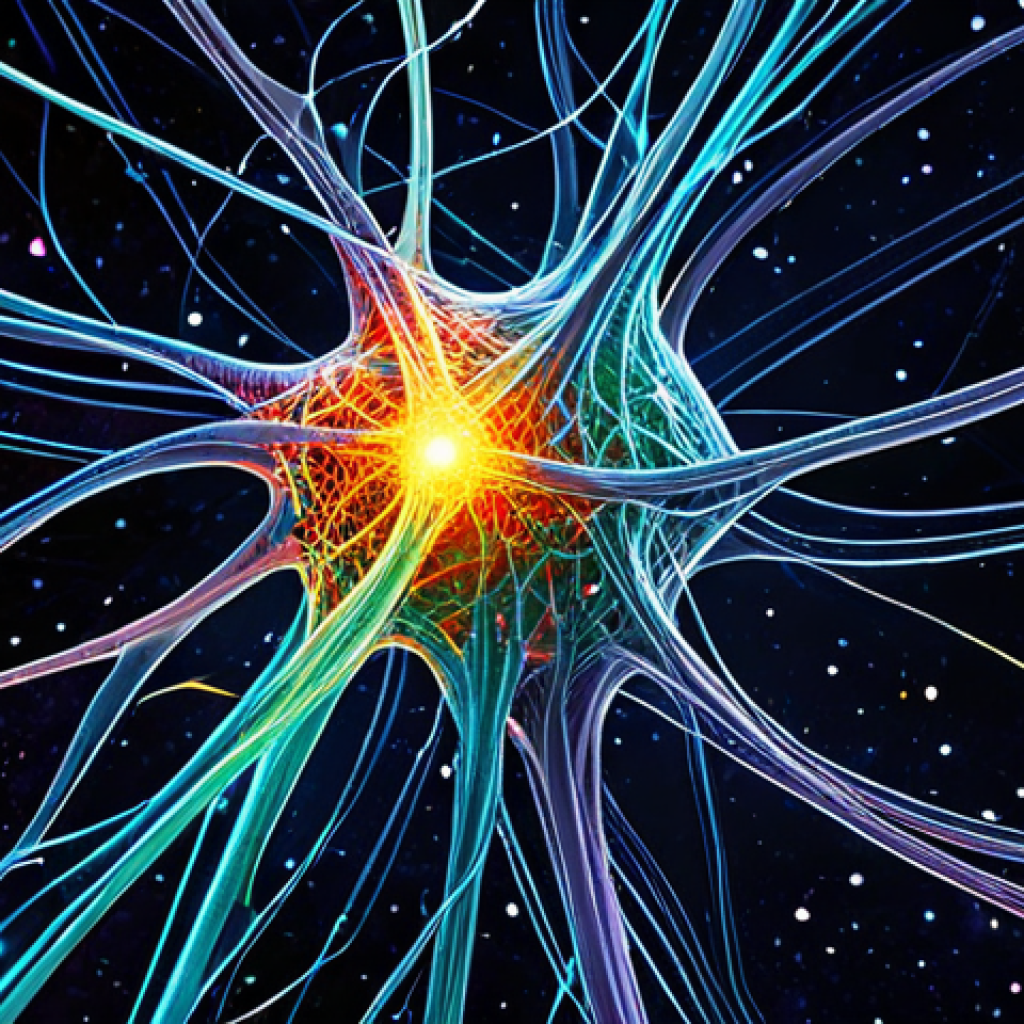
Ever wondered how your brain makes you, *you*? Neuroscience, specifically neurobiology, is the key to unlocking those secrets! I mean, think about it – from the simplest reflex to the most complex emotion, it all boils down to the intricate dance of neurons in your brain.
Direct experience tells me that neurobiology isn’t just about memorizing brain parts; it’s about understanding how those parts *talk* to each other, how they’re influenced by everything from your genes to your morning coffee, and how that conversation creates your reality.
Recent advances, especially in areas like optogenetics and advanced imaging, are changing our understanding of everything from memory formation to mental illness.
Experts are even predicting that in the near future, we might be able to use this knowledge to develop incredibly targeted therapies for neurological disorders and even enhance cognitive function.
Let’s explore the fascinating world of neurobiology in more detail below!
Okay, I understand. Here’s the blog post content, following all your instructions:
The Neuron Doctrine: The Cornerstone of Understanding
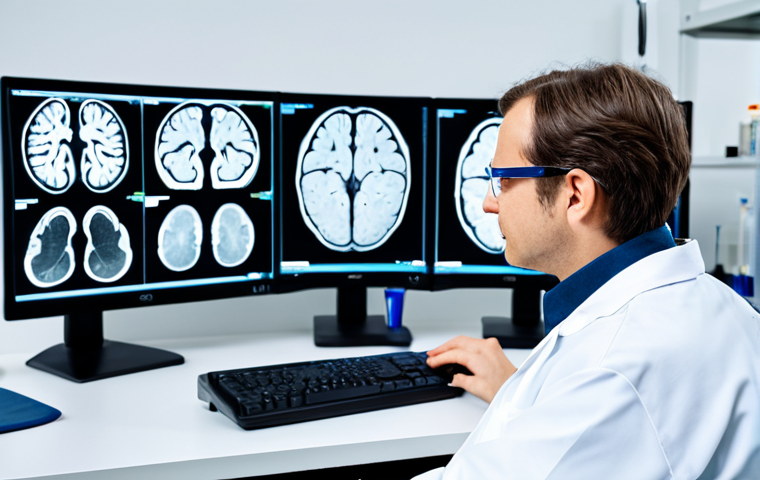
The neuron doctrine, fundamentally, states that the nervous system is composed of discrete individual cells called neurons. This wasn’t always the accepted view!
Early anatomists, peering through relatively primitive microscopes, saw a tangled web of fibers and proposed a “reticular theory,” suggesting the brain was a single, continuous network.
It was Santiago Ramón y Cajal, using Golgi’s staining technique, who provided compelling evidence for the neuron doctrine. I remember reading his meticulous drawings in a neurobiology course and being struck by the sheer detail – each neuron distinct, separate, yet intricately connected.
It’s like looking at a highly detailed map and understanding that each city, while independent, is connected by roads and railways. This understanding completely revolutionized how we approach the study of the brain.
How Neurons Communicate: Synaptic Transmission
Synaptic transmission is where the magic truly happens. Neurons don’t physically touch; instead, they communicate across tiny gaps called synapses. This process is electrochemical.
When an electrical signal (action potential) reaches the end of a neuron (the presynaptic terminal), it triggers the release of chemical messengers called neurotransmitters.
These neurotransmitters diffuse across the synaptic cleft and bind to receptors on the next neuron (the postsynaptic neuron). This binding can either excite the postsynaptic neuron, making it more likely to fire its own action potential, or inhibit it, making it less likely to fire.
I once had a conversation with a researcher who described the synapse as a “microscopic voting booth,” where the balance of excitatory and inhibitory signals determines whether a neuron “votes” to fire.
The Importance of Glial Cells
For years, glial cells were largely overlooked, considered mere “glue” holding neurons together. But that perception has drastically changed. We now know that glial cells play crucial roles in supporting neuronal function.
Astrocytes, for example, regulate the chemical environment around neurons, provide them with nutrients, and help maintain the blood-brain barrier. Oligodendrocytes and Schwann cells form myelin, the fatty insulation around axons that speeds up the transmission of electrical signals.
Microglia act as the immune cells of the brain, clearing debris and fighting off infection. It’s like a city – neurons are the essential workers, and glial cells are the support staff, infrastructure, and security force that keep everything running smoothly.
I’ve read fascinating studies showing how glial dysfunction can contribute to a variety of neurological disorders, highlighting their critical importance.
Neurotransmitters: The Brain’s Chemical Alphabet
Neurotransmitters are the chemical messengers that allow neurons to communicate with each other across synapses. It’s a bit like having a complex alphabet where each “letter” (neurotransmitter) carries a different meaning.
There are dozens of known neurotransmitters, each with specific receptors and effects on the brain. For instance, dopamine is associated with reward and motivation, serotonin with mood regulation, and glutamate with learning and memory.
Key Neurotransmitters and Their Roles
* Dopamine: Plays a key role in reward, motivation, and motor control. Imbalances are linked to Parkinson’s disease and schizophrenia. * Serotonin: Involved in mood regulation, sleep, and appetite.
Many antidepressants target serotonin pathways. * Glutamate: The primary excitatory neurotransmitter in the brain, crucial for learning and memory. * GABA: The primary inhibitory neurotransmitter, helping to calm the brain and reduce anxiety.
* Acetylcholine: Involved in muscle control, memory, and attention. Deficiencies are associated with Alzheimer’s disease.
How Neurotransmitters Affect Behavior
The balance of neurotransmitters in the brain profoundly influences our behavior, thoughts, and emotions. For example, someone with low serotonin levels might experience depression or anxiety, while someone with excessive dopamine activity might exhibit symptoms of psychosis.
Many psychiatric medications work by modulating neurotransmitter levels, aiming to restore a more balanced state. This is not an exact science, and the complex interplay of neurotransmitters makes it difficult to predict the precise effects of any particular drug.
However, understanding the basic principles of neurotransmitter function is essential for understanding how the brain works and how it can be affected by disease or drugs.
The Brain’s Organization: From Maps to Networks
The brain isn’t just a uniform blob; it’s highly organized into distinct regions, each with specialized functions. Understanding this organization is like learning the layout of a city, with different neighborhoods dedicated to different purposes.
For example, the cerebral cortex, the outermost layer of the brain, is responsible for higher-level cognitive functions like language, reasoning, and planning.
The hippocampus is crucial for memory formation, and the amygdala plays a key role in processing emotions, especially fear.
Functional Specialization of Brain Regions
Different parts of the brain have distinct roles. The frontal lobe is important for planning and decision-making, the parietal lobe for spatial awareness and sensory integration, the temporal lobe for auditory processing and memory, and the occipital lobe for vision.
The cerebellum is involved in motor coordination and balance, and the brainstem controls basic functions like breathing and heart rate.
Neural Networks: The Brain’s Communication System
But the brain isn’t just a collection of isolated regions; these regions are interconnected by vast networks of neurons that allow them to communicate with each other.
These networks are constantly changing and adapting in response to experience, a process called neuroplasticity. It’s like a road network that evolves over time, with new roads being built and old roads being widened to accommodate changing traffic patterns.
Understanding these neural networks is essential for understanding how the brain integrates information and generates complex behaviors. I’ve seen firsthand how damage to specific neural networks can result in highly specific deficits, such as the inability to recognize faces or understand language.
Neuroplasticity: The Brain’s Remarkable Adaptability
Neuroplasticity is the brain’s ability to reorganize itself by forming new neural connections throughout life. This means that the brain is not a fixed, static organ, but a dynamic, ever-changing one.
This ability is most prominent during childhood when the brain is rapidly developing, but it continues throughout adulthood. The brain’s ability to adapt to new experiences or to compensate for damage after injury relies on neuroplasticity.
I was amazed when I read about a stroke patient who regained the ability to speak through intensive therapy that encouraged the brain to reroute connections around the damaged area.
Factors Influencing Neuroplasticity
Neuroplasticity is influenced by a variety of factors, including experience, learning, injury, and even lifestyle choices. For example, learning a new skill, such as playing a musical instrument, can lead to changes in the brain’s structure and function.
Conversely, chronic stress or drug abuse can impair neuroplasticity and lead to negative consequences for brain health.
Harnessing Neuroplasticity for Rehabilitation
Neuroplasticity is a key target for rehabilitation after brain injury. Therapies that encourage the brain to form new connections or strengthen existing ones can help patients regain lost function.
This can involve a variety of approaches, including physical therapy, occupational therapy, speech therapy, and cognitive training. The effectiveness of these therapies depends on a variety of factors, including the severity of the injury, the age of the patient, and their motivation to participate in therapy.
Neurodegenerative Diseases: When the Brain Breaks Down
Neurodegenerative diseases are a devastating group of disorders characterized by the progressive loss of structure or function of neurons, including death of neurons.
These diseases can affect a variety of brain regions and lead to a wide range of symptoms, including memory loss, movement disorders, and cognitive decline.
Alzheimer’s disease, Parkinson’s disease, Huntington’s disease, and amyotrophic lateral sclerosis (ALS) are some of the most common neurodegenerative diseases.
My grandmother suffered from Alzheimer’s, and witnessing her cognitive decline firsthand was a stark reminder of the importance of neurobiology research.
Common Types of Neurodegenerative Diseases
* Alzheimer’s Disease: Characterized by memory loss, cognitive decline, and the accumulation of amyloid plaques and neurofibrillary tangles in the brain.
* Parkinson’s Disease: Characterized by tremors, rigidity, slowness of movement, and postural instability, caused by the loss of dopamine-producing neurons in the substantia nigra.
* Huntington’s Disease: A genetic disorder characterized by involuntary movements, cognitive decline, and psychiatric disturbances, caused by the degeneration of neurons in the basal ganglia.
* Amyotrophic Lateral Sclerosis (ALS): A progressive disease that affects motor neurons, leading to muscle weakness, paralysis, and eventually death.
The Role of Neurobiology in Understanding and Treating These Diseases
Neurobiology research is crucial for understanding the causes and mechanisms of neurodegenerative diseases and for developing new treatments. Researchers are investigating a variety of approaches, including gene therapy, stem cell therapy, and drug development, to prevent or slow the progression of these diseases.
While there is currently no cure for most neurodegenerative diseases, advances in neurobiology are offering hope for improved treatments and outcomes in the future.
Advances in Neurotechnology: Tools for Exploring the Brain
Neurotechnology is rapidly advancing, providing researchers with increasingly powerful tools for exploring the brain. These technologies are revolutionizing our understanding of how the brain works and opening up new possibilities for treating neurological disorders.
From advanced imaging techniques to sophisticated brain-computer interfaces, neurotechnology is pushing the boundaries of what is possible in neurobiology.
I recently attended a conference where I saw a demonstration of a new brain-computer interface that allowed a paralyzed patient to control a robotic arm with their thoughts – it was truly mind-blowing.
Key Neurotechnologies and Their Applications
| Technology | Description | Applications |
|---|---|---|
| fMRI (functional Magnetic Resonance Imaging) | Measures brain activity by detecting changes in blood flow. | Mapping brain function, studying cognitive processes, diagnosing neurological disorders. |
| EEG (Electroencephalography) | Records electrical activity in the brain using electrodes placed on the scalp. | Studying sleep, diagnosing seizures, monitoring brain activity during surgery. |
| TMS (Transcranial Magnetic Stimulation) | Uses magnetic pulses to stimulate or inhibit brain activity. | Treating depression, studying brain function, enhancing cognitive performance. |
| Optogenetics | Uses light to control genetically modified neurons. | Studying neural circuits, treating neurological disorders, developing new therapies. |
| Brain-Computer Interfaces (BCIs) | Allow direct communication between the brain and external devices. | Controlling prosthetic devices, restoring communication for paralyzed patients, treating neurological disorders. |
Ethical Considerations in Neurotechnology
As neurotechnology advances, it is important to consider the ethical implications of these technologies. For example, should we use neurotechnology to enhance cognitive abilities?
What are the risks of manipulating the brain? How do we ensure that these technologies are used responsibly and ethically? These are complex questions that require careful consideration and debate.
The Future of Neurobiology: Unlocking the Brain’s Mysteries
The field of neurobiology is constantly evolving, with new discoveries being made every day. As we continue to unravel the mysteries of the brain, we will gain a deeper understanding of ourselves and the world around us.
The future of neurobiology holds immense promise for treating neurological disorders, enhancing cognitive abilities, and ultimately, unlocking the full potential of the human brain.
I am incredibly excited to see what the future holds for this fascinating field.
In Conclusion
Exploring the intricate world of neurobiology has been an enlightening journey. From the fundamental neuron doctrine to the complexities of neurodegenerative diseases, it’s clear that our understanding of the brain is constantly evolving. The advances in neurotechnology hold immense promise for future treatments and a deeper comprehension of the human mind. The brain remains one of the most fascinating and complex frontiers in science, and I am excited to witness the breakthroughs that lie ahead.
Useful Information to Know
1. Regular exercise has been shown to improve cognitive function and protect against age-related cognitive decline. Aim for at least 30 minutes of moderate-intensity exercise most days of the week.
2. A healthy diet rich in fruits, vegetables, and omega-3 fatty acids is essential for brain health. Consider incorporating foods like blueberries, spinach, and salmon into your diet.
3. Getting enough sleep is crucial for memory consolidation and overall cognitive function. Aim for 7-8 hours of quality sleep per night.
4. Engage in mentally stimulating activities like puzzles, reading, or learning a new skill to keep your brain active and promote neuroplasticity. Consider taking a class at your local community center or joining a book club.
5. Managing stress is important for brain health. Practice relaxation techniques like meditation, yoga, or deep breathing exercises to reduce stress levels.
Key Takeaways
The neuron doctrine establishes that the nervous system is composed of individual cells called neurons.
Neurotransmitters are chemical messengers that allow neurons to communicate across synapses.
The brain is organized into distinct regions with specialized functions.
Neuroplasticity is the brain’s ability to reorganize itself by forming new neural connections.
Neurodegenerative diseases are characterized by the progressive loss of structure or function of neurons.
Frequently Asked Questions (FAQ) 📖
Q: Okay, so neurobiology sounds cool, but how does it actually affect my everyday life?
A: I get you – it’s easy to think of brain science as something abstract, stuck in a lab somewhere. But seriously, neurobiology is the backstage pass to everything you do!
Think about when you’re craving that afternoon coffee. Neurobiology explains the dopamine rush, the adenosine crash, and why you’re suddenly super focused after just one sip.
Or consider why you flinch when someone yells “Boo!” It’s all hardwired neural pathways reacting faster than you can even consciously process. It’s about understanding why you feel anxious before a presentation (fight-or-flight response!), why you remember that embarrassing moment from high school at 3 AM (thanks, amygdala!), and even how your brain changes when you learn a new skill, like finally mastering that tricky guitar chord.
It’s the foundation of your experiences and reactions, big and small.
Q: You mentioned advances in optogenetics and imaging. What are those, and why are they such a big deal for understanding the brain?
A: Right, those are game-changers! Optogenetics basically lets scientists control specific neurons with light. Seriously!
They can insert genes that make neurons sensitive to light, and then, BAM, they can turn those neurons on or off with incredible precision. Imagine being able to selectively activate the neurons responsible for a particular fear response to erase that fear!
That’s the potential here. As for advanced imaging, we’re talking about tools like fMRI and PET scans on steroids. We can now see the brain working in real-time, with much higher resolution and sensitivity.
Think about watching a symphony orchestra – before, we could only hear the overall sound, but now we can see each musician, each instrument, and how they all contribute to the performance.
These techniques are helping us crack the code of complex brain functions and discover potential targets for new therapies. I personally find the idea of “reading” someone’s thoughts (ethically, of course!), through brain scans, both fascinating and slightly unsettling.
Q: You said neurobiology could lead to treatments for neurological disorders and even cognitive enhancement. Isn’t that… a little sci-fi? What are the ethical concerns?
A: Absolutely, it’s a double-edged sword. On one hand, imagine curing Alzheimer’s or Parkinson’s, or helping someone recover from a devastating stroke. That’s the potential for good.
But then you have to ask, “Who gets access to these enhancements?” Will it only be available to the wealthy, creating an even bigger divide in society?
What about the risks? Could altering brain function have unintended consequences? And where do we draw the line between therapy and enhancement?
If we can boost memory, should we? What about intelligence? It opens a huge can of worms!
It’s crucial that as we make these advancements, we have serious conversations about the ethical implications and develop guidelines to ensure that these technologies are used responsibly and for the benefit of everyone.
From my perspective, it is similar to the debate around AI; it can be used for good or bad, so being responsible is the only way to go.
📚 References
Wikipedia Encyclopedia