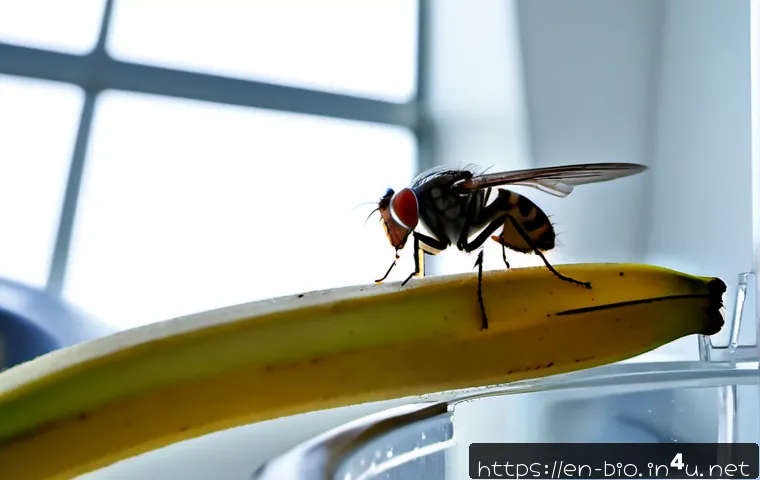
A fruit fly model is a strong starting point when you need fast generations, controlled crosses, and whole-organism genetics. It is less suitable as a stand-alone answer when your question depends on mammalian biology, patient outcomes, or clinical relevance.
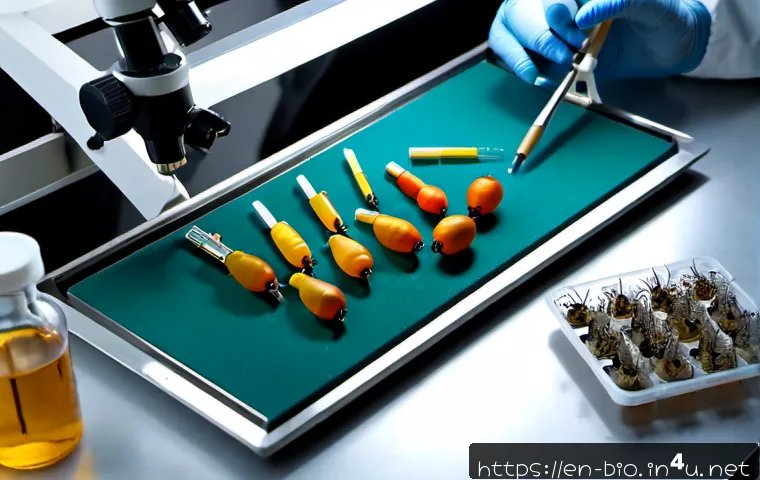
Drosophila melanogaster is widely used in classical and modern genetics because visible traits, specialized genetic tools, and manageable culture workflows can support efficient experiments.
A basic setup can work well for teaching inheritance or testing an early gene-function hypothesis, while imaging-heavy or genome-editing projects may require shared facilities or research services.
Before ordering fly stocks or laboratory equipment, define what result the model can realistically establish. That early decision helps prevent spending on a system that cannot answer the central biological question.
At a Glance
- Choose Drosophila for rapid crosses, genetic tractability, and whole-organism phenotype studies.
- Plan for validation when translating fly findings to humans, other animals, or clinical questions.
- Compare stocks, culture capacity, imaging access, and specialist services before building an in-house workflow.
| Decision factor | Fruit fly system | When another option may fit better |
|---|---|---|
| Timeline | Generation time is commonly around 10 days at approximately 25°C, subject to strain, diet, density, and conditions. | Use a system that matches the required biological timing or endpoint. |
| Genetic work | Controlled crosses, visible mutants, balancer chromosomes, RNA interference, transgenic systems, and CRISPR-based editing can be useful. | Consider other models if the question requires a different tissue context or mammalian validation. |
| Facility needs | Requires reliable culture conditions, stock management, collection workflows, and appropriate phenotype assessment. | Shared imaging, sequencing, or contract research services may be preferable for specialized work. |
| Best use cases | Teaching, development, neurobiology, behavior, metabolism, aging, and disease-related gene-function studies. | Questions requiring direct clinical conclusions should not rely on fly data alone. |
Is a Fruit Fly System the Right Starting Point for Your Genetics Question?
The short answer: where Drosophila delivers the most value
Drosophila melanogaster is particularly useful when the goal is to connect a genetic change with an observable outcome in a living organism. It can support inheritance demonstrations, gene mapping concepts, developmental studies, behavioral experiments, and early functional genetics. The model is often a practical choice when speed, controlled breeding, and interpretable phenotypes matter more than direct clinical translation.
For a lab team, flies can also provide a reasonable first platform for testing whether a candidate gene, pathway, or genetic interaction deserves deeper study. Their value is not that they answer every question. Their value is that they can help narrow a question efficiently before a project moves to more complex systems.
Questions that require a different model or additional validation
A fly result does not establish that the same mechanism operates in humans, other animals, or patients. If the project depends on mammalian physiology, a specific human tissue environment, or clinical interpretation, additional validation is essential. Cell culture, zebrafish, mouse studies, or other approaches may be needed depending on the question.
This is especially important in disease-related work. Flies can help investigate disease-related gene function, but they should not be presented as a direct substitute for human evidence. Choose the model based on the biological claim you need to support, not simply because a model is fast or familiar.
What a realistic first project can establish
A realistic early project may establish whether a trait segregates in a controlled cross, whether a genetic manipulation changes a measurable phenotype, or whether a candidate pathway warrants follow-up. It may also teach core skills: sexing flies, setting up crosses, maintaining stocks, and recording outcomes.
The best strain, cross design, and sample size depend on the biological question. A general guide cannot select them for a specific experiment. Define the primary phenotype and the control plan before ordering fly stocks or consumables.
Why Flies Remain a Powerful Tool for Genetic Discovery
Fast generations and controlled breeding
At approximately 25°C, Drosophila generation time is commonly around 10 days. This timing can vary with strain, diet, density, and environmental conditions, so it should be treated as a planning reference rather than a fixed promise. Still, short generation cycles make it possible to observe crosses and maintain genetic lines on a practical schedule.
The species has four pairs of chromosomes, including sex chromosomes. Visible mutant traits and controlled crosses have long made flies useful for teaching inheritance patterns and gene mapping concepts. These same fundamentals remain relevant when trainees need to understand why parental genotype, collection timing, and recordkeeping affect an experimental conclusion.
Flexible genetic manipulation and phenotype tracking
Fly genetics can include mutagenesis, transgenic expression systems, RNA interference, CRISPR-based editing, and imaging-based phenotyping. The appropriate method depends on whether the project needs gene disruption, altered expression, targeted editing, or a way to observe a phenotype over time.
Balancer chromosomes are specialized tools that help maintain certain genetic combinations by reducing recovery of recombinant chromosomes. They can be valuable for stock maintenance, but they do not remove the need for careful genotype documentation. A mislabeled vial or an unclear genetic background can undermine otherwise sound experimental work.
Strengths for developmental, behavioral, and gene-function studies
Flies can support research in development, neurobiology, behavior, metabolism, aging, and disease-related gene function. A key strength is the ability to examine a genetic change in a multicellular organism rather than in isolated cells alone. This can be useful when the phenotype may involve development, movement, feeding, survival, visible morphology, or behavior.
However, a visible phenotype is not automatically a complete explanation. A phenotype can be affected by culture conditions, genetic background, or the design of the comparison. Strong projects connect phenotype tracking to controls and to a clearly stated biological question.
Compare Time, Cost, and Facility Requirements Before You Commit
Fly work versus cell culture, zebrafish, and mouse studies
Each model offers a different balance of speed, biological context, and operational demands. Fly work is often attractive when controlled crosses and whole-organism context are priorities. Cell culture may fit questions focused on cellular mechanisms. Zebrafish or mouse work may be considered when the research question requires a different organismal context or mammalian follow-up.
There is no universal lowest-cost model. Actual project costs vary by institution, local facility access, import rules, staffing, equipment availability, and experimental complexity. A fair comparison should include not only the organisms, but also the personnel time and access required to obtain usable data.
Core budget categories: stocks, food, incubators, imaging, and data analysis
A practical budget review includes fly stocks, culture consumables, food preparation or supply, vials, environmental control, incubator access, microscopy equipment, imaging capacity, sequencing support, and data analysis. Genome-editing support or specialized imaging can change the operational requirements substantially.
Do not treat equipment as the only major decision. Reliable recurring supplies and consistent culture conditions are equally important. A basic laboratory may be able to maintain teaching stocks, while a phenotype screen may need a more structured workflow and access to specialized microscopy equipment.
When a university core facility or contract research provider may be more efficient
Shared facilities can be useful when a project needs imaging platforms, sequencing providers, or technical expertise that the lab does not use often enough to justify an in-house setup. Contract research services may also be worth comparing for defined screening or genome-editing tasks, particularly when a team needs specialist capacity without building every workflow internally.
Before choosing a provider, ask what is included in the scope of work, what controls are expected, how raw data are delivered, and which parts of the experiment remain the responsibility of the research team. Review the official service details and technical requirements on the relevant provider page before committing.
Build a Reliable Workflow: Crosses, Culture Conditions, and Controls
Selecting strains and documenting genetic backgrounds

Start with a stock plan that identifies the intended genotype, phenotype, cross direction, and maintenance needs. Record stock source, genotype notation, date received, culture history, and any observed concerns. Good stock records are a quality-control tool, not administrative clutter.
When a project uses balancers, transgenes, RNA interference lines, or edited lines, documentation becomes even more important. The right strain is not simply the one with a relevant gene label. It must also fit the planned cross and the phenotype you intend to interpret.
Managing temperature, density, food, and collection timing
Culture conditions influence fly development and experiment timing. Temperature, density, diet, and collection timing should be managed consistently because they can affect the generation schedule and the condition of cultures. Overcrowded vials can make a cross difficult to interpret, while inconsistent environmental conditions can add unnecessary variation.
Build a routine that specifies how cultures are labeled, when adults are transferred, when offspring are collected, and when phenotype observations occur. This is useful in both teaching labs and research groups because it makes deviations visible rather than accidental.
Designing controls that make phenotype results interpretable
A result is more useful when the comparison is clear. Controls should be selected to address the central question: what would the phenotype look like without the intended genetic change, expression system, or experimental condition? The exact control crosses depend on the design, so they should be planned with the biological question rather than copied from a generic template.
Keep control and experimental cultures under comparable conditions whenever possible. If conditions differ, document the difference instead of assuming it is irrelevant. This is a simple step that can prevent overinterpretation of a phenotype.
Common errors that compromise a cross or screen
Common setup problems include uncontrolled temperature, overcrowded cultures, weak control crosses, incomplete stock records, and unclear collection timing. Another avoidable error is treating a single visible outcome as proof of a broad mechanism. A fly phenotype can be informative, but its meaning depends on the genetic design and the quality of the comparison.
Match the Model to the Research Scenario
Undergraduate teaching and inheritance demonstrations
Flies are well suited to teaching environments where students need to observe visible traits and understand controlled crosses. Their use can make concepts such as inheritance patterns, sex chromosomes, and gene mapping more concrete. The workflow should remain focused: clear labels, reliable culture conditions, and a manageable observation schedule are more valuable than excessive experimental complexity.
Early-stage functional genetics and pathway testing
For early hypothesis testing, flies can help assess whether altering a gene or pathway is associated with an organism-level phenotype. RNA interference, transgenic expression systems, mutagenesis, and CRISPR-based editing may be relevant options. The most appropriate approach depends on the experimental question and available technical support.
This scenario often benefits from early consultation with a genetics core facility, microscopy service, or genome-editing support team. Their input can clarify whether an in-house workflow is realistic or whether a specialized service will reduce avoidable setup delays.
Disease-related studies that need mammalian follow-up
Drosophila can contribute to disease-related gene-function research, especially when the aim is to identify candidate mechanisms or prioritize follow-up questions. It should not be used to make direct clinical conclusions. A careful project plan states in advance what the fly system can test and what will require confirmation in other models.
High-throughput screening and imaging-intensive projects
High-throughput screening and imaging-based phenotyping can expand what a fly project can measure, but they also increase demands on consistency, data handling, and technical infrastructure. Before launching such work, compare incubator capacity, microscopy equipment, image-analysis workflows, sequencing access where relevant, and available research services.
For many teams, the decision is not simply “buy equipment or outsource.” A mixed approach may be sensible: maintain stocks and routine crosses internally while using a shared imaging platform or specialist provider for advanced analysis.
Selection Criteria and Comparison Summary
Choose flies when rapid generations, controlled genetics, and whole-organism context match the question. Before selecting a stock center, imaging platform, sequencing provider, or contract research service, check: whether the required stock or technical capability is available; whether delivery, import, and institutional requirements are workable; whether culture and imaging capacity match the planned scale; whether controls and data outputs are clearly defined; and whether the result will need validation in another model. For official specifications, availability, and service conditions, check the relevant provider’s detailed information page before ordering.
In Closing
Drosophila remains a practical genetics model because it combines controlled breeding with flexible experimental tools in a multicellular organism. It is most valuable when the research question is designed around what flies can genuinely show. A clear stock plan, stable culture conditions, and meaningful controls matter as much as the genetic tool itself. When the question extends toward mammalian biology or clinical interpretation, plan validation from the beginning.
Useful Things to Know
1. Generation timing is affected by strain, diet, density, and environmental conditions.
2. Balancer chromosomes can help maintain specific genetic combinations, but accurate records remain necessary.
3. Shared microscopy, sequencing, and genome-editing services can be useful when specialized capacity is not needed every day.
4. The right model is the one that supports the intended conclusion, not merely the fastest experiment.
Important Considerations
Specific strain selection, cross design, sample size, project cost, and approval requirements cannot be assumed from a general overview. Institutional policies, biosafety expectations, animal-use requirements, and local rules vary by setting. Fly results should be interpreted within the limits of the model and require careful validation before they are generalized to humans, other animals, or patients.
Frequently Asked Questions
Q1. Is Drosophila genetics expensive compared with mouse or zebrafish research?
A1. Costs vary by institution, facility access, staffing, equipment availability, import rules, and experimental complexity. A useful comparison includes stocks, consumables, incubator access, imaging, sequencing, data analysis, and any outsourced research services rather than looking at organism cost alone.
Q2. What equipment is needed to start a basic fruit fly genetics project?
A2. A basic project needs a reliable way to maintain cultures, manage food and consumables, label and track stocks, and observe the chosen phenotype. Depending on the study, additional needs may include incubator access, microscopy equipment, imaging support, or specialist genetics services.
Q3. When is a fruit fly model not suitable for human disease research?
A3. A fruit fly model is not sufficient by itself when the question requires direct conclusions about human biology, patients, or clinical outcomes. Flies can support disease-related gene-function studies, but findings require careful validation before they are generalized to humans or used to support clinical conclusions.