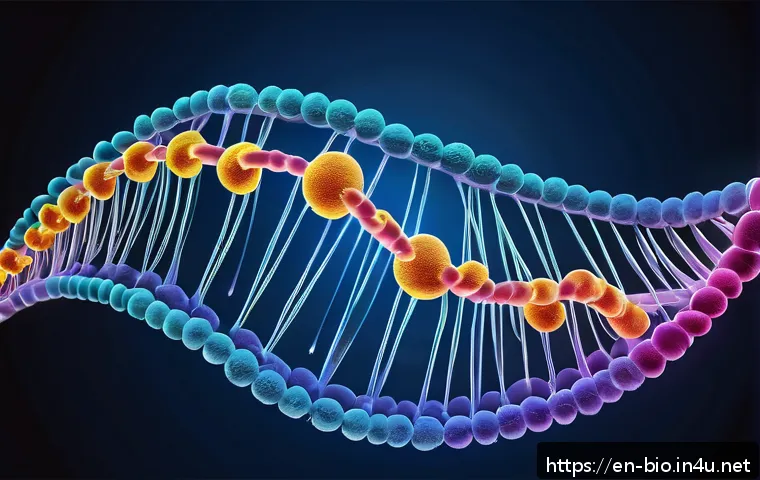
I remember the first time I truly grasped the concept of nanomedicine—it felt like something out of a futuristic movie, honestly. The idea that we could engineer tiny particles, smaller than a human hair, to patrol our bodies, diagnose issues, and deliver medicines precisely where they’re needed?
Mind-blowing. But guess what? That future isn’t just around the corner; it’s already here, transforming healthcare in ways we’re only just beginning to appreciate.
From battling the most aggressive cancers with pinpoint accuracy to developing revolutionary new vaccines, these microscopic marvels are rewriting the rules of treatment.
I’ve spent countless hours diving into the research, and what truly excites me is how we’re overcoming the biological barriers that once seemed insurmountable, pushing the boundaries of what’s possible.
The potential for truly personalized medicine, where treatments are tailored down to your individual cellular needs, is no longer a distant dream but a rapidly unfolding reality.
This isn’t just about making drugs more effective; it’s about fundamentally rethinking how we approach healing and disease. Trust me, you’ll want to stick around to uncover the full story.
Let’s dive deeper into this below and explore exactly how these tiny titans are reshaping our medical landscape!
Precision Strikes: How Nanobots Are Revolutionizing Drug Delivery
I remember a time when the biggest challenge in medicine was simply getting a drug to where it needed to go without causing a ruckus everywhere else in the body.
It felt like trying to hit a tiny target with a scattergun. But now, with nanomedicine, we’re talking about precision sniper shots, and it’s truly game-changing.
Imagine microscopic delivery vehicles, often just a few nanometers in size, zipping through your bloodstream, loaded with therapeutic agents. They’re designed to bypass healthy tissues, recognize specific disease markers, and release their payload only at the intended site.
This isn’t just theoretical; it’s happening. For patients, this means fewer debilitating side effects, a more potent impact on the disease, and ultimately, a better chance at recovery or managing chronic conditions with significantly improved quality of life.
I’ve personally been captivated by the progress in this area, seeing how these tiny innovations are turning once-impossible treatments into everyday realities.
It’s like medicine finally got its own GPS system, delivering healing with incredible accuracy. The sheer elegance of it all, targeting a tumor with minimal impact on surrounding healthy cells, is something I honestly thought was decades away, but here we are.
It’s a testament to human ingenuity.
Targeting Cancer Cells with Unprecedented Accuracy
For years, cancer treatment has been a brutal balancing act, trying to kill cancerous cells without devastating the patient’s entire system. Traditional chemotherapy, while effective, often comes with severe side effects because it attacks fast-growing cells indiscriminately.
This is where nanomedicine truly shines. Nanoparticle drug delivery systems, like liposomes or polymeric nanoparticles, can be engineered to carry chemotherapy drugs directly to tumor sites.
They can be designed to accumulate in tumors through what’s called the enhanced permeability and retention (EPR) effect, which basically means tumors often have leaky blood vessels and impaired lymphatic drainage, allowing nanoparticles to get in and stay.
Beyond that, researchers are developing nanoparticles that are ‘smart’ – they can be activated by specific cues found only in the tumor microenvironment, such as changes in pH or specific enzymes, to release their drugs.
I’ve read about studies where these targeted approaches have significantly reduced the required drug dose while increasing its effectiveness at the tumor, which translates to a much better experience for the patient, reducing hair loss, nausea, and fatigue.
It’s not just about prolonging life; it’s about preserving its quality during treatment, something I deeply appreciate as someone who’s seen the struggles firsthand.
Delivering Gene Therapies Right Where They’re Needed
Gene therapy holds immense promise for treating genetic disorders, but one of its biggest roadblocks has always been safe and efficient delivery of genetic material into the right cells.
Viruses, often used as vectors, can sometimes cause unwanted immune responses or have limitations in the size of the genetic payload they can carry. Enter nanomedicine.
Non-viral nanoparticles, such as lipid nanoparticles (LNPs) like those famously used in some COVID-19 vaccines, are proving to be exceptionally effective at encapsulating and delivering nucleic acids (like mRNA or DNA) into target cells without the drawbacks of viral vectors.
These tiny packages protect the fragile genetic material from degradation in the bloodstream and facilitate its entry into cells. For conditions like cystic fibrosis, muscular dystrophy, or even certain rare genetic diseases, this targeted delivery means we can potentially correct the underlying genetic defect right at the source.
The precision involved is mind-boggling, ensuring that the therapeutic genes reach the affected cells and not just float around causing unintended effects.
It genuinely feels like we’re on the cusp of truly personalized medicine, where we can literally reprogram cells to fix themselves, and nanocarriers are the essential messengers making it all possible.
Beyond the Horizon: Nanomedicine’s Fight Against Chronic Illnesses
Chronic diseases are a massive burden on healthcare systems and, more importantly, on the lives of millions. Think about conditions like diabetes, heart disease, or even neurological disorders—they often require lifelong management, involve complex drug regimens, and can severely impact a person’s daily existence.
The traditional approach often involves systemic treatments that affect the entire body, leading to side effects and suboptimal drug concentrations at the actual site of disease.
This is where nanomedicine steps in, offering a glimmer of hope for more effective, less intrusive management. I’ve always felt that if we could tackle these long-term conditions with more finesse, we could dramatically improve global health.
Nanoparticles are being designed to do just that, creating smarter ways to deliver medications, monitor disease progression, and even repair damaged tissues, making life more manageable for those living with chronic ailments.
It’s not just about managing symptoms; it’s about fundamentally altering the disease trajectory, offering a path towards genuine improvement rather than just maintenance.
Managing Diabetes with Smart Insulin Nanoparticles
Living with diabetes can be incredibly challenging, requiring constant monitoring of blood sugar and often multiple daily insulin injections. Imagine a world where that burden is significantly lessened.
Nanomedicine is making strides in developing “smart” insulin delivery systems. These aren’t just slow-release pills; they’re nanoparticles that can detect changes in blood glucose levels and automatically release the appropriate amount of insulin in response.
Some concepts involve oral insulin nanoparticles that can survive the harsh environment of the digestive system and be absorbed efficiently, while others are developing injectable nanoparticles that form a subcutaneous reservoir, releasing insulin only when needed, mimicking the body’s natural response more closely than traditional injections.
I often think about the freedom this could give to millions of people – no more rigid schedules, no more constant pricking. It truly sounds like science fiction, but the research is robust, and I’m genuinely excited about the possibility of a future where diabetes management is less invasive and far more responsive to the body’s real-time needs.
Revolutionizing Cardiovascular Disease Treatment
Heart disease remains a leading cause of mortality worldwide, and treating it effectively often involves managing multiple risk factors and preventing plaque buildup in arteries.
Nanomedicine offers a sophisticated toolkit for tackling these issues. Researchers are developing nanoparticles that can specifically target atherosclerotic plaques, delivering anti-inflammatory or cholesterol-reducing drugs directly to these problematic areas.
This targeted approach could potentially reduce the size of existing plaques or prevent new ones from forming, all while minimizing systemic side effects that can come with oral medications.
Beyond drug delivery, there’s work on nanoparticles that can enhance imaging techniques to detect subtle signs of plaque rupture before a major event occurs, offering crucial early warning.
I’ve always felt that prevention is better than cure, and these nanotechnologies are pushing the boundaries of what’s possible in preventative cardiology and targeted intervention, truly offering a more precise weapon against heart disease.
Empowering Our Defenses: Nanotechnology’s Role in Vaccines and Immunotherapy
The past few years have certainly highlighted the critical importance of vaccines and robust immune systems. It’s incredible how quickly science can advance when faced with a global challenge.
Nanotechnology has been a silent hero in many of these breakthroughs, quietly revolutionizing how we develop and deliver immunotherapies and vaccines.
When I first heard about the precision involved, I was honestly blown away. It’s not just about injecting a weakened virus or a protein anymore; it’s about carefully engineered microscopic structures that can present antigens to our immune cells in the most effective way possible, or even reprogram immune cells to fight disease.
This nuanced approach allows for stronger, more durable immune responses with potentially fewer doses, and opens doors to tackling diseases that have long eluded traditional vaccine development.
We’re essentially giving our immune system a highly specialized training program, all thanks to these tiny marvels.
Boosting Vaccine Efficacy with Nanoparticle Adjuvants
Traditional vaccines often require adjuvants—substances that enhance the immune response to the antigen. Nanoparticles are proving to be superior adjuvants because of their unique properties.
They can encapsulate antigens, protecting them from degradation and ensuring sustained release, which allows for a more prolonged and effective presentation to immune cells.
Furthermore, the size and surface properties of nanoparticles can be tuned to mimic pathogens, triggering a stronger innate immune response. For example, some nanoparticle-based vaccines self-assemble into virus-like particles (VLPs) that are highly immunogenic, meaning they effectively trick the body into thinking it’s fighting a real virus.
This leads to a more robust and lasting immunity. I’ve seen how this technology was pivotal in the rapid development of some highly effective COVID-19 vaccines, utilizing lipid nanoparticles to deliver mRNA.
This capability to significantly boost vaccine efficacy and stability is a huge step forward, allowing us to develop more potent vaccines against a wider range of infectious diseases, even those that have been notoriously difficult to target.
Advanced Immunotherapies: Training Your Body to Heal Itself
Immunotherapy, harnessing the body’s own immune system to fight diseases like cancer, is one of the most exciting frontiers in medicine. Nanotechnology is playing a crucial role in enhancing these therapies.
For instance, nanoparticles can be used to deliver immune-modulating agents directly to tumor microenvironments, activating dormant immune cells to recognize and destroy cancer cells.
They can also carry specific antigens to antigen-presenting cells (APCs) in lymph nodes, essentially acting as tiny, highly efficient tutors, showing these cells exactly what to look for when identifying cancerous or infected cells.
Imagine your body’s own defense system getting a precise, targeted briefing on the enemy. I’ve been fascinated by the concept of CAR T-cell therapy, and now, with nanotechnology, we’re seeing ways to improve the delivery and efficacy of such complex cellular therapies, making them safer and more effective.
This isn’t just about treating symptoms; it’s about re-educating your own body to become its most formidable healer, and that, to me, is truly revolutionary.
| Application Area | Nanotechnology Approach | Key Benefit |
|---|---|---|
| Oncology (Cancer Treatment) | Targeted Drug Delivery Systems (e.g., liposomes, polymeric nanoparticles) | Reduced systemic toxicity, increased drug concentration at tumor site, improved efficacy. |
| Infectious Diseases | Nanoparticle-based vaccines, antimicrobial nanoparticles | Enhanced immune response, stability of vaccines, ability to combat antibiotic-resistant strains. |
| Cardiovascular Health | Nanoparticles for plaque removal, drug-eluting stents | Precise delivery of anti-inflammatory or anti-thrombotic drugs, minimal invasiveness. |
| Diagnostics | Quantum dots, gold nanoparticles, nanowire sensors | Earlier and more sensitive detection of biomarkers, real-time monitoring, point-of-care testing. |
Seeing the Unseen: Nanoscale Diagnostics for Early Disease Detection
Early detection is often the key to successful treatment, especially for aggressive diseases like cancer. But sometimes, by the time symptoms appear, the disease has already progressed significantly.
This is where nanomedicine offers a profound advantage: its ability to detect the invisible. By operating at the nanoscale, these tiny tools can interact with biological molecules at a fundamental level, allowing for the detection of disease biomarkers long before they would register on traditional diagnostic tests.
I’ve always believed that foresight is power in healthcare, and nanodiagnostics are giving us unprecedented foresight. Imagine being able to catch a disease at its earliest, most treatable stage, or even before it manifests into full-blown illness.
That’s the promise of these microscopic marvels, and it’s a promise that’s rapidly becoming a reality, transforming the landscape of preventative medicine.
Catching Cancer Early: Liquid Biopsies and Nanoparticle Sensors
One of the most exciting frontiers in nanodiagnostics is the liquid biopsy. Instead of invasive tissue biopsies, which can be painful and risky, liquid biopsies analyze blood or other body fluids for tiny traces of cancer, such as circulating tumor DNA (ctDNA) or circulating tumor cells (CTCs).
Nanoparticle-based assays are dramatically increasing the sensitivity and specificity of these tests. For instance, magnetic nanoparticles can be functionalized to capture extremely rare CTCs from a blood sample, allowing for earlier detection and monitoring of cancer recurrence.
Gold nanoparticles and quantum dots are being developed as biosensors that change color or fluoresce in the presence of specific cancer biomarkers, providing rapid and highly sensitive detection even when these markers are present in incredibly low concentrations.
I genuinely believe that these technologies will transform cancer screening, moving us from reactive diagnosis to proactive surveillance, giving patients a critical head start against the disease.
Real-Time Monitoring: Wearable Nanotech and Personalized Health
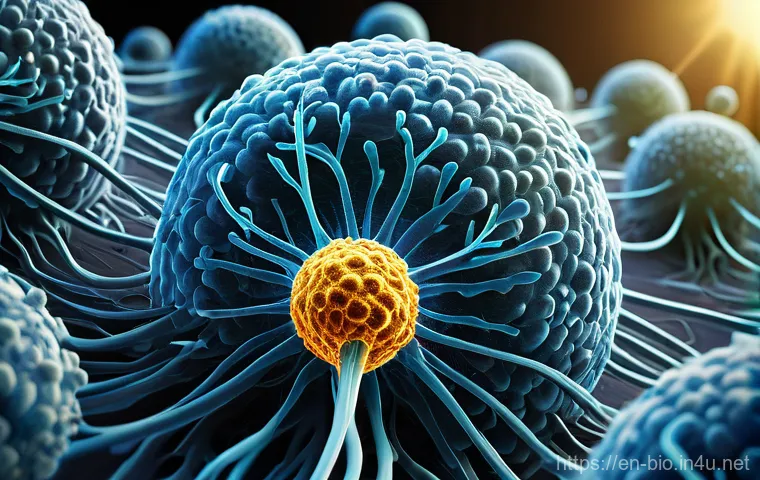
Beyond lab-based tests, nanomedicine is also venturing into continuous, real-time health monitoring through wearable devices and implantable sensors. Imagine a tiny biosensor, perhaps integrated into a smart patch or even an implantable chip, that can continuously monitor your blood for biomarkers of inflammation, infection, or disease progression.
Nanowire sensors, for example, have incredibly high surface-to-volume ratios, making them extremely sensitive to even minute changes in biomarker concentrations.
This could revolutionize chronic disease management, allowing patients and their doctors to track health trends and intervene much earlier. For individuals at high risk of certain conditions, this constant feedback could provide invaluable peace of mind and allow for truly personalized health management.
I picture a future where our health data is collected non-invasively and intelligently, offering insights that empower us to make better lifestyle choices and detect potential issues before they become serious.
This isn’t just about diagnostics; it’s about shifting towards predictive and preventative healthcare, a future I’m incredibly optimistic about.
Navigating the Path: Overcoming Challenges in Bringing Nanomedicine to Patients
While the promise of nanomedicine is immense and incredibly exciting, it’s also true that bringing these innovative treatments from the lab to actual patients comes with its own set of significant hurdles.
It’s not as simple as just inventing something amazing; there’s a whole intricate process of testing, regulation, and ethical consideration that has to be navigated.
I often think about the sheer amount of work involved behind the scenes, ensuring that what seems like magic actually becomes safe, reliable, and accessible medicine.
It takes a monumental effort from scientists, clinicians, regulators, and even policymakers to ensure that these tiny titans can truly fulfill their potential and integrate seamlessly into our healthcare systems.
We can’t just unleash these microscopic marvels without understanding their full impact, both intended and unintended.
Ensuring Safety and Regulating the Tiny Titans
One of the paramount concerns with any new medical technology, especially one dealing with materials at the nanoscale, is safety. Nanoparticles behave differently from their larger counterparts; their small size means they can interact with biological systems in unique ways, and their distribution and metabolism within the body need to be thoroughly understood.
Regulators like the FDA in the US are working diligently to establish appropriate guidelines for nanomedicine, which often requires new approaches to toxicology testing and risk assessment.
Researchers are meticulously studying how different nanoparticles interact with cells, tissues, and organs, looking at everything from potential cytotoxicity to long-term environmental impact.
I’ve learned that this isn’t just a technical challenge; it’s a societal responsibility. Ensuring that these cutting-edge therapies are not only effective but also unequivocally safe for human use and for the environment is a massive undertaking, and it requires a collaborative effort from everyone involved in their development and deployment.
We need to walk cautiously and intelligently to ensure we harness their benefits without introducing unforeseen risks.
The Cost Factor: Making These Innovations Accessible
Innovation, especially at the forefront of science like nanomedicine, often comes with a hefty price tag. Developing, testing, and manufacturing these advanced therapies require substantial investment in research, specialized facilities, and highly skilled personnel.
This raises a crucial question: how do we make these potentially life-saving treatments accessible and affordable to everyone who needs them, not just a select few?
This isn’t just a business problem; it’s a moral and ethical dilemma for healthcare systems globally. I’ve seen countless brilliant medical breakthroughs that struggle to reach widespread adoption because of their cost.
Strategies like government funding, public-private partnerships, and innovative reimbursement models are being explored to try and bridge this gap. Ultimately, the true transformative power of nanomedicine can only be realized if it’s available to all segments of society, irrespective of their economic status.
It’s a complex challenge, but one that absolutely needs to be addressed if we truly want to revolutionize healthcare for the better.
The Future, Miniaturized: A Glimpse into Personalized Nanomedicine
If you’ve followed along so far, you’ll probably agree that nanomedicine isn’t just a buzzword; it’s a profound shift in how we approach health and disease.
But what truly excites me when I look ahead is the vision of truly personalized nanomedicine. We’re talking about treatments and diagnostics tailored not just to a specific disease, but to *your* unique genetic makeup, *your* individual biological responses, and *your* specific health needs.
This isn’t a one-size-fits-all approach; it’s medicine designed with you, and only you, in mind. I genuinely believe this is where the power of nanoscale precision will shine brightest, allowing us to move beyond broad treatments to highly specific interventions that optimize outcomes and minimize unnecessary interventions.
It feels like we’re finally moving towards a healthcare system that treats individuals as just that: individuals, with unique biological blueprints.
Tailored Treatments: Medicine Designed Just for You
Imagine a future where your doctor could, based on your genetic profile, a detailed analysis of your blood, and real-time biometric data, prescribe a nanomedicine that is engineered precisely for your body.
This goes beyond current personalized medicine, which often involves selecting existing drugs based on genetic markers. Nanomedicine could allow for the *creation* of bespoke nanoparticles designed to target specific cells, genes, or proteins that are unique to your disease.
For example, if you have a particular type of cancer with a unique mutation, a nanoparticle could be synthesized to carry a drug directly to cells expressing that mutation, ignoring all others.
This level of customization means maximal efficacy and minimal side effects. I envision a time when treatments are as unique as our fingerprints, making medicine incredibly powerful and efficient.
It’s a vision that promises to make healthcare truly patient-centric, where every treatment is a perfect fit.
Preventative Power: Stopping Illnesses Before They Start
Beyond treating existing conditions, the long-term vision for personalized nanomedicine includes an incredible emphasis on prevention. With highly sensitive nanoscale diagnostic tools monitoring your body at a cellular and molecular level, it might be possible to detect the very earliest whispers of disease—long before any symptoms appear.
Imagine a tiny, implantable or wearable nanosensor that continuously tracks hundreds of biomarkers, alerting you (and your doctor, with your permission!) to a potential issue weeks, months, or even years before it becomes a serious problem.
This proactive approach would allow for early intervention with targeted nanotherapies, effectively stopping illnesses in their tracks, or even preventing them from ever fully developing.
I truly believe that this preventative power is the ultimate goal, transforming healthcare from a system that reacts to illness into one that actively preserves and enhances health, keeping us vibrant and well for longer.
Wrapping Things Up
Whew! What an incredible journey we’ve taken through the microscopic world of nanomedicine. It’s truly mind-boggling to think that these tiny titans, invisible to the naked eye, are poised to reshape almost every facet of healthcare as we know it. From delivering life-saving drugs with unparalleled precision to detecting diseases at their nascent stages, and even turbocharging our immune systems, the potential feels limitless. I’ve always been a believer in the power of human ingenuity, and seeing how scientists are harnessing the fundamental building blocks of matter to create such profound solutions honestly fills me with so much hope for the future of health. It’s not just about curing illness; it’s about elevating our entire standard of well-being, paving the way for a healthier, more vibrant world for all of us.
Useful Information to Keep in Mind
1. Nanomedicine is Already Impacting You: While it might sound futuristic, elements of nanomedicine are already integrated into our daily lives and current medical practices. Think about some advanced vaccines, certain cosmetic products that leverage nanoparticles for deeper skin penetration, or even specialized medical imaging agents that help doctors see more clearly. These aren’t just concepts on a lab bench; they’re actively being researched, developed, and in many cases, are already on the market, quietly working behind the scenes to improve various aspects of our health and daily routines. It’s less about a distant future and more about an evolving present, with new applications emerging at a surprising pace.
2. It’s a Team Sport, Not a Solo Act: The rapid advancements in nanomedicine aren’t the work of just one field. They’re a brilliant collaboration that brings together diverse disciplines. We’re talking about biologists who understand the intricate workings of our cells, chemists who can synthesize new materials atom by atom, engineers who design and build these microscopic delivery systems, and medical doctors who translate these innovations into practical patient care. This interdisciplinary synergy is what makes nanomedicine so powerful and dynamic, fostering an environment where breakthroughs happen much faster than if each field worked in isolation. It’s a true testament to what we can achieve when we pool our collective brainpower.
3. Staying Informed is Key: Given how quickly nanomedicine is evolving, keeping up with the latest developments can feel like a full-time job! However, for those of us passionate about health and wellness, it’s worth seeking out reputable sources. Look for articles from leading scientific journals (often summarized for the public), university research news, and trusted health organizations. Avoiding sensationalized headlines and focusing on peer-reviewed research or expert interviews will give you the most accurate picture. Engaging with science communicators who simplify complex topics can also be incredibly helpful. The more informed we are, the better we can appreciate the nuanced progress and understand the true impact of these innovations.
4. Ethical Considerations are Part of the Process: As with any groundbreaking technology, nanomedicine comes with its own set of ethical considerations. Questions about potential long-term effects, equitable access to expensive treatments, and even privacy concerns related to highly personalized diagnostics are all actively being debated. Scientists, ethicists, and policymakers are working hard to establish guidelines and regulations that ensure these powerful tools are used responsibly and for the benefit of all. It’s crucial that as the science advances, our discussions around its societal implications keep pace. This thoughtful approach is vital to building public trust and ensuring that nanomedicine truly serves humanity in the best possible way.
5. Look for “Nano” in Product Labels: In the near future, you might start noticing the term “nano” appearing more frequently on various products beyond just medicine. This could range from enhanced textiles with antimicrobial properties to more efficient solar cells, or even advanced food packaging that keeps products fresher for longer. It’s a sign that nanotechnology’s influence is broadening far beyond the healthcare sector. Keeping an eye out for these terms can give you a glimpse into how this incredible field is quietly transforming numerous industries and aspects of our daily lives, making things more durable, more efficient, and often, more sustainable.
Key Takeaways
So, if you take just a few things away from our chat today, let it be this: nanomedicine is a revolutionary frontier in healthcare, offering unparalleled precision in drug delivery, disease detection, and immune system modulation. Its strength lies in its ability to operate at the cellular and molecular levels, promising treatments that are more effective and less invasive than anything we’ve had before. While challenges like safety regulations and accessibility remain, the potential for personalized, preventative medicine is immense and incredibly exciting. This isn’t just a fleeting trend; it’s a profound shift towards a future where health is managed with extraordinary accuracy and foresight, truly transforming how we live and thrive.
Frequently Asked Questions (FAQ) 📖
Q: So, what exactly is nanomedicine, and how do these super tiny particles actually get things done inside our bodies?
A: That’s a fantastic question, and one I hear all the time because it sounds a bit like magic, doesn’t it? At its core, nanomedicine is simply using nanotechnology in healthcare.
We’re talking about working with materials on a scale so incredibly small—we’re talking nanometers, which are literally a billionth of a meter! To give you a relatable idea, that’s thousands of times smaller than the width of a human hair.
Now, how do they work? Imagine engineers designing microscopic tools and delivery systems, often made from things like polymers, lipids, or even metals, that are specifically programmed to interact with your body at a cellular or molecular level.
They can travel through your bloodstream, navigate around, and actually reach specific cells or tissues. Think of them as super-smart, tiny couriers that can carry drugs, imaging agents, or even genetic material directly to where it’s needed, kind of like a personalized GPS for medicine.
Because they’re so small, they can sometimes even cross biological barriers that traditional drugs can’t, allowing for truly targeted results and, hopefully, fewer side effects.
It’s about precision, literally down to the atomic level, to deliver therapeutic effects right where it matters most.
Q: This sounds incredible! What are some real-world examples of nanomedicine already making a difference today, not just in labs?
A: Oh, you’re going to love this because the impact is already so tangible! When I first learned about these applications, I was honestly blown away. One of the most prominent and recent examples that many of us are familiar with is in the COVID-19 vaccines from companies like Pfizer and Moderna.
Those vaccines actually use nanoparticles, specifically lipid nanoparticles (LNPs), to protect and deliver the messenger RNA (mRNA) into your immune cells so your body can develop immunity to the virus.
Without those tiny shields, the mRNA would break down too quickly to be effective! Beyond vaccines, nanomedicine is truly revolutionizing cancer treatment.
Traditional chemotherapy, as we know, can have tough side effects because it impacts healthy cells along with cancerous ones. But with nanomedicine, we can encapsulate chemotherapy drugs within nanoparticles that are designed to target cancer cells directly, minimizing damage to healthy tissues.
I’ve seen research showing how this approach significantly improves efficacy while reducing those debilitating side effects. Another area I find particularly exciting is early disease detection and diagnosis.
Imagine magnetic nanoparticles coated with specific molecules that target cancer cells, making them visible in MRI scans at a much earlier stage than before.
There’s also incredible work being done in regenerative medicine, using nanomaterials as “scaffolds” to help repair damaged tissues or even regrow nerves.
It’s truly breathtaking to see these tiny innovations tackling some of our biggest health challenges.
Q: With all these amazing advancements, are there any potential risks or big challenges that we need to consider with nanomedicine?
A: Absolutely, that’s a super important question, and it’s something researchers and regulators are taking very seriously. While the potential is huge, it’s still a relatively new field, and there are definitely challenges we need to navigate responsibly.
One of the main concerns I keep hearing about is understanding the long-term effects of these nanomaterials on the human body. Because they interact with cells and tissues in ways that are different from traditional drugs, we need to be incredibly thorough in studying their potential for toxicity over time.
Sometimes, nanoparticles might trigger immune responses or even cause damage to genetic material if not designed carefully. Think about it: materials behave differently at the nano scale than at larger scales, so we’re constantly learning.
There are also hurdles related to manufacturing, ensuring consistent quality, and scaling up production for widespread use, which can be tricky when dealing with such minuscule components.
And, of course, regulatory frameworks are still evolving to keep pace with these rapid innovations, making sure that nanomedicines are not only effective but also safe for both patients and the environment.
It’s a complex landscape, but by openly addressing these challenges, we can ensure that nanomedicine continues to advance in a way that truly benefits everyone, without unintended consequences.