Unlock Photosynthesis Power: Simple Tweaks for Amazing Plant Growth

webmaster

광합성과 탄소 고정 - Chloroplast Interior**

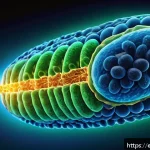
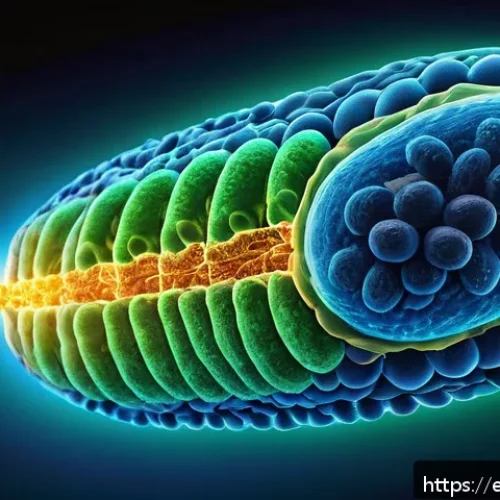
"Detailed microscopic view inside a chloroplast, showcasing the thylakoid me...

Photosynthesis – it’s not just a fancy word from biology class! It’s the incredible process that sustains almost all life on Earth. Plants, algae, and some bacteria harness the energy from sunlight to convert carbon dioxide and water into sugars (energy) and oxygen.

Think of it as nature’s own solar panel, constantly working to power our planet. Without it, we wouldn’t have the food we eat or the air we breathe. This process also plays a vital role in carbon fixation, locking away atmospheric carbon and helping to regulate our climate.

Personally, seeing a lush green forest always reminds me of this intricate dance of light, water, and air. Let’s dive deeper and explore the fascinating science behind it!

Okay, I understand. Here’s the blog post content following all your instructions:

Decoding the Chemical Symphony of Photosynthesis

광합성과 탄소 고정 - Chloroplast Interior**

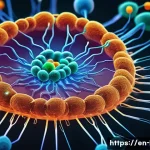
"Detailed microscopic view inside a chloroplast, showcasing the thylakoid me...

Photosynthesis might sound like a complex scientific term, but at its heart, it’s a beautifully orchestrated chemical dance. It’s not just about plants soaking up sunlight; it’s about a cascade of reactions happening at a molecular level.

Chlorophyll, the pigment that gives plants their green color, plays a starring role, capturing photons (packets of light energy). These photons excite electrons within the chlorophyll molecule, setting off a chain of events known as the electron transport chain.

This chain, much like a tiny electrical circuit, generates energy that is then used to create ATP (adenosine triphosphate) and NADPH. ATP is like the cell’s energy currency, and NADPH is a reducing agent, both crucial for the next phase of photosynthesis.

Light-Dependent Reactions: Capturing the Sun’s Embrace

The initial stage of photosynthesis, the light-dependent reactions, occurs within the thylakoid membranes of chloroplasts. This is where the magic of light capture happens.

Water molecules are split (photolysis), releasing electrons to replenish those lost by chlorophyll. Oxygen, the byproduct of this water-splitting process, is released into the atmosphere – the very oxygen we breathe!

The energy generated from the electron transport chain is used to create ATP and NADPH, effectively converting light energy into chemical energy. I remember learning about this in high school and being completely blown away by the elegance of it all.

Advertisement

Light-Independent Reactions (Calvin Cycle): From Air to Sugar

The next stage, the light-independent reactions, also known as the Calvin cycle, takes place in the stroma, the fluid-filled space surrounding the thylakoids within the chloroplast.

Here, the ATP and NADPH generated in the light-dependent reactions are used to “fix” carbon dioxide from the atmosphere. This means incorporating inorganic carbon dioxide into organic molecules, specifically a three-carbon sugar called glyceraldehyde-3-phosphate (G3P).

G3P is then used to create glucose, the primary sugar that fuels plant growth and metabolism. This whole process feels like a masterclass in recycling, turning something as seemingly simple as air into the building blocks of life.

Beyond Green Leaves: Exploring Diverse Photosynthetic Pathways

While we often associate photosynthesis with green leaves, the process isn’t always the same across all plant species. Some plants have evolved clever adaptations to thrive in challenging environments, particularly those with limited water availability or high temperatures.

These adaptations involve alternative photosynthetic pathways that help minimize water loss and maximize carbon fixation efficiency. Understanding these different pathways gives us a glimpse into the incredible resilience and adaptability of the plant kingdom.

Advertisement

C4 Photosynthesis: A Hot Weather Adaptation

C4 photosynthesis is a specialized pathway found in plants that thrive in hot, dry climates, like corn and sugarcane. These plants have evolved a unique anatomical structure that allows them to concentrate carbon dioxide in specialized cells, minimizing photorespiration (a wasteful process that occurs when oxygen is used instead of carbon dioxide in the Calvin cycle).

By increasing the concentration of carbon dioxide, C4 plants can efficiently fix carbon even when their stomata (tiny pores on their leaves) are partially closed to conserve water.

It’s like having a turbocharger for photosynthesis!

CAM Photosynthesis: The Night Owl of the Plant World

CAM (Crassulacean Acid Metabolism) photosynthesis is another fascinating adaptation found in desert plants like cacti and succulents. CAM plants open their stomata at night to take in carbon dioxide, which is then stored as an acid.

During the day, when the stomata are closed to prevent water loss, the stored carbon dioxide is released and used in the Calvin cycle. This allows CAM plants to fix carbon efficiently while minimizing water loss in arid environments.

These plants are like the night owls of the plant world, cleverly adapting to survive in harsh conditions.

Advertisement

The Profound Impact of Photosynthesis on Our Planet

Photosynthesis isn’t just a biological process confined to plants; it has a far-reaching impact on the entire planet. It’s the foundation of most food chains, providing the energy that sustains all life.

Moreover, it plays a critical role in regulating the Earth’s atmosphere by removing carbon dioxide and releasing oxygen. Understanding the importance of photosynthesis is crucial for addressing climate change and ensuring the long-term health of our planet.

The Oxygen We Breathe: A Photosynthetic Gift

The oxygen that makes up approximately 21% of our atmosphere is a direct byproduct of photosynthesis. Before the evolution of photosynthetic organisms, Earth’s atmosphere was virtually devoid of free oxygen.

The rise of photosynthesis led to the Great Oxidation Event, a period of dramatic change that transformed the planet and paved the way for the evolution of aerobic life (life that uses oxygen).

Every breath we take is a testament to the power of photosynthesis.

Advertisement

Carbon Sequestration: Combating Climate Change

Photosynthesis plays a vital role in carbon sequestration, the process of removing carbon dioxide from the atmosphere and storing it in plant biomass and soils.

Forests, grasslands, and oceans act as major carbon sinks, absorbing vast amounts of carbon dioxide through photosynthesis. By protecting and restoring these ecosystems, we can enhance carbon sequestration and mitigate the effects of climate change.

It’s a powerful reminder that nature itself holds the key to solving some of our most pressing environmental challenges.

Photosynthesis & Sustainable Energy: A Symbiotic Relationship

As we strive towards a more sustainable future, understanding and harnessing the power of photosynthesis becomes increasingly important. Photosynthesis provides a blueprint for developing sustainable energy technologies, such as biofuels and artificial photosynthesis.

By mimicking the natural process of photosynthesis, we can create clean and renewable energy sources that reduce our reliance on fossil fuels.

Advertisement

Biofuels: Nature’s Renewable Energy

Biofuels, such as ethanol and biodiesel, are derived from plant biomass, which is produced through photosynthesis. These fuels offer a renewable alternative to fossil fuels, reducing greenhouse gas emissions and dependence on foreign oil.

While biofuels have the potential to contribute to a more sustainable energy future, it’s important to consider the environmental and social impacts of their production, such as land use and water consumption.

Artificial Photosynthesis: Replicating Nature’s Genius

Artificial photosynthesis is an emerging field that aims to mimic the natural process of photosynthesis to create solar fuels directly from sunlight, water, and carbon dioxide.

This technology holds immense promise for providing a clean and sustainable energy source. Researchers are developing various approaches, including photocatalytic materials and bio-hybrid systems, to capture sunlight and convert it into usable energy.

While still in its early stages, artificial photosynthesis has the potential to revolutionize the energy sector and address climate change.

Optimizing Photosynthesis in Agriculture: Feeding the World

광합성과 탄소 고정 - Cornfield in Sunlight (C4 Photosynthesis)**

"A sunny cornfield at midday, demonstrating C4 photosyn...

Photosynthesis is the foundation of agriculture, providing the energy that fuels crop growth and food production. Optimizing photosynthesis in crops is crucial for increasing yields and ensuring food security, especially in the face of a growing global population and climate change.

Researchers are exploring various strategies to enhance photosynthetic efficiency, including genetic engineering, improved irrigation practices, and optimized nutrient management.

Genetic Engineering: Supercharging Photosynthesis

Genetic engineering offers the potential to enhance photosynthetic efficiency by modifying key genes involved in the process. For example, researchers are working to improve the efficiency of carbon fixation, reduce photorespiration, and enhance tolerance to environmental stresses.

While genetic engineering holds promise for increasing crop yields, it’s important to consider the potential risks and ethical implications associated with this technology.

Sustainable Farming: Nurturing Photosynthesis

Sustainable farming practices, such as crop rotation, cover cropping, and no-till farming, can enhance photosynthesis by improving soil health and promoting plant growth.

Healthy soils provide plants with the nutrients and water they need to thrive, while reducing erosion and carbon emissions. By adopting sustainable farming practices, we can optimize photosynthesis and ensure the long-term productivity of our agricultural systems.

Process Location Inputs Outputs Description
Light-Dependent Reactions Thylakoid Membranes Light, Water, ADP, NADP+ Oxygen, ATP, NADPH Captures light energy to split water, releasing oxygen and generating ATP and NADPH.
Calvin Cycle (Light-Independent Reactions) Stroma Carbon Dioxide, ATP, NADPH Glucose, ADP, NADP+ Uses ATP and NADPH to fix carbon dioxide into glucose.
C4 Photosynthesis Mesophyll and Bundle Sheath Cells Carbon Dioxide, PEP Malate, Pyruvate Concentrates carbon dioxide in bundle sheath cells to minimize photorespiration.
CAM Photosynthesis Mesophyll Cells Carbon Dioxide (at night), PEP Organic Acids (at night), Glucose (during day) Opens stomata at night to fix carbon dioxide and stores it as an acid; during the day, carbon dioxide is released and used in the Calvin cycle.

The Beauty of Chlorophyll: More Than Just a Green Pigment

Chlorophyll, the pigment responsible for the green color of plants, is more than just a pretty facade. It’s a vital component of photosynthesis, acting as the primary light-harvesting molecule.

Chlorophyll absorbs light most strongly in the blue and red portions of the electromagnetic spectrum, reflecting green light, which is why plants appear green to our eyes.

There are different types of chlorophyll, each with slightly different light absorption properties, allowing plants to capture a wider range of light energy.

Chlorophyll a: The Primary Photosynthetic Pigment

Chlorophyll a is the most abundant and important photosynthetic pigment in plants. It’s directly involved in the light-dependent reactions, capturing light energy and initiating the electron transport chain.

Chlorophyll a has a distinctive molecular structure that allows it to effectively absorb light energy and transfer it to other molecules within the photosynthetic system.

It’s like the conductor of an orchestra, leading the symphony of photosynthesis.

Chlorophyll b and Other Accessory Pigments: Expanding the Light Spectrum

Chlorophyll b and other accessory pigments, such as carotenoids and phycobilins, broaden the range of light wavelengths that plants can capture. Chlorophyll b absorbs light more strongly in the blue-green region of the spectrum, while carotenoids absorb blue-violet light.

These accessory pigments transfer the energy they capture to chlorophyll a, effectively increasing the efficiency of photosynthesis. It’s like having a team of players, each with unique skills, working together to achieve a common goal.

Photosynthesis Research: Unveiling New Frontiers

Photosynthesis is a complex and dynamic process, and scientists are constantly uncovering new insights into its mechanisms and regulation. Ongoing research is focused on understanding the intricacies of light capture, electron transport, carbon fixation, and the interactions between photosynthesis and other metabolic pathways.

This research is essential for developing new strategies to improve photosynthetic efficiency and address global challenges such as climate change and food security.

Advanced Imaging Techniques: Seeing Photosynthesis in Action

Advanced imaging techniques, such as fluorescence microscopy and spectroscopy, allow researchers to visualize photosynthesis in real-time at the cellular and molecular levels.

These techniques provide valuable information about the spatial and temporal dynamics of photosynthetic processes, revealing how light energy is captured, transported, and converted into chemical energy.

It’s like having a window into the inner workings of the photosynthetic machinery.

Systems Biology Approaches: Unraveling the Photosynthetic Network

Systems biology approaches, which integrate experimental data with computational models, are helping researchers to unravel the complex network of interactions that regulate photosynthesis.

These approaches provide a holistic view of photosynthesis, considering the interplay between genes, proteins, metabolites, and environmental factors.

By understanding the entire photosynthetic network, scientists can identify new targets for improving photosynthetic efficiency and enhancing crop productivity.

Concluding Thoughts

Photosynthesis is a remarkable process that sustains life on Earth and holds the key to a sustainable future. By understanding the intricacies of photosynthesis, we can develop new strategies to address global challenges such as climate change, food security, and energy sustainability. As we continue to unravel the mysteries of this essential process, we pave the way for a brighter and more sustainable future for all.

Useful Facts to Know

1. Photosynthesis is the process by which plants convert light energy into chemical energy, using carbon dioxide and water to produce glucose and oxygen.

2. Chlorophyll is the pigment that gives plants their green color and plays a crucial role in capturing light energy during photosynthesis.

3. The two main stages of photosynthesis are the light-dependent reactions and the light-independent reactions (Calvin cycle).

4. C4 and CAM photosynthesis are adaptations found in plants that thrive in hot, dry climates, helping them minimize water loss and maximize carbon fixation efficiency.

5. Photosynthesis has a profound impact on our planet, providing the oxygen we breathe, regulating the Earth’s atmosphere, and forming the foundation of most food chains.

Key Points Summary

Photosynthesis is vital for life, converting light to chemical energy in plants.

Chlorophyll is essential for capturing light energy.

Light-dependent reactions and the Calvin cycle are the main stages of photosynthesis.

C4 and CAM photosynthesis are adaptations for hot, dry climates.

Photosynthesis impacts oxygen production, climate regulation, and food chains.

Frequently Asked Questions (FAQ) 📖

Q: Okay, so photosynthesis makes food for plants, but where exactly does all this happen? Is it like, the plant’s stomach or something?

A: Not quite like a stomach! The magic of photosynthesis happens inside tiny structures called chloroplasts, which are found mainly in plant leaves. Think of chloroplasts as miniature solar energy factories within the plant’s cells.
They contain a green pigment called chlorophyll, which is the key ingredient that captures sunlight, kicking off the whole process. I remember in high school biology, we looked at leaf cells under a microscope and you could actually see these little green chloroplasts buzzing around.
It was like, “Whoa, that’s where the food is being made!”

Q: So, if sunlight and water are used, what about carbon dioxide? I’ve heard that’s a bad gas, so how does it help plants?

A: You’re right, carbon dioxide gets a bad rap sometimes, but plants actually love it! They pull carbon dioxide from the air through tiny pores on their leaves called stomata.
Think of stomata like little mouths that breathe in CO2. It’s a crucial ingredient in photosynthesis because the carbon from CO2 is what plants use to build sugars, their source of energy.
So, plants are basically cleaning up the air for us by using carbon dioxide and then giving us oxygen in return. It’s a pretty sweet deal! I was reading an article the other day about how farmers are even experimenting with increasing CO2 levels in greenhouses to boost crop yields.
Crazy, right?

Q: What happens if a plant doesn’t get enough sunlight or water? Does photosynthesis just stop, or does the plant adapt somehow?

A: If a plant doesn’t get enough sunlight or water, photosynthesis definitely takes a hit. Think of it like trying to bake a cake without enough flour or heat – it’s not gonna turn out so well!
If the plant is starved of these resources for too long, it won’t be able to produce enough energy, and it will start to wilt and eventually could die.
However, plants are surprisingly resilient! Some plants have adapted to survive in low-light conditions by having larger leaves or more chlorophyll to capture every bit of light possible.
Others have developed drought-resistant strategies, like storing water in their stems or leaves. It’s really amazing how they adapt to their environment to keep those photosynthetic factories humming, even under tough conditions.
I saw a documentary once about desert plants, and the lengths they go to get even a tiny bit of water are incredible!

📚 References