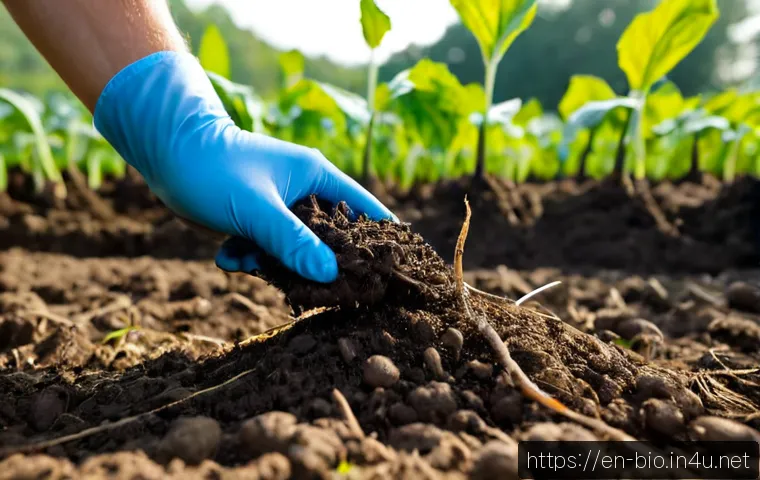
Soil microbes matter most when the field already has workable drainage, structure, pH, moisture, and fertility conditions that allow soil life to function.
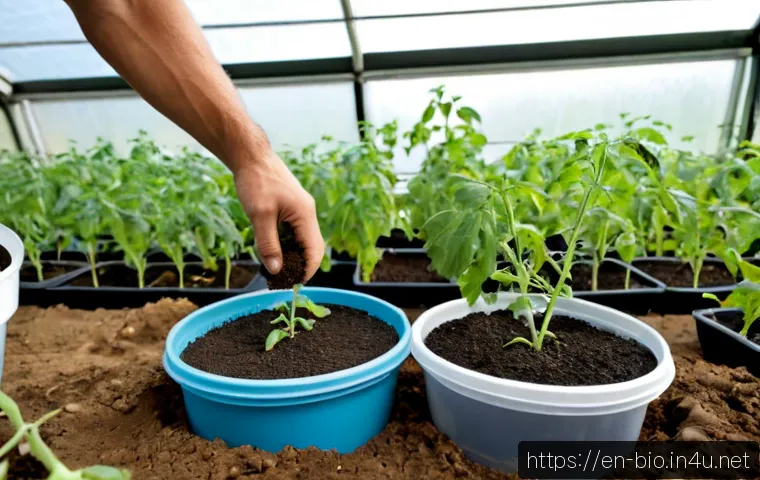
Purchased microbial products are less likely to provide value when major limitations such as severe compaction, poor drainage, unsuitable pH, or nutrient deficiencies remain unresolved.
For many farm operations, a soil test and a practical soil-health plan are a more useful starting point than choosing an inoculant from a product catalog.
Compost, cover crops, reduced disturbance, and crop diversity can support the habitat that microbial communities need over time. If you are comparing biological inputs, focus on crop-specific evidence, application requirements, labor, and compatibility with your current program.
The right choice depends on your crop, soil type, weather, timing, and management goals.
At a Glance
- Soil microbes support nutrient cycling, decomposition, root-zone activity, and soil structure, but they do not guarantee yield gains.
- Test and correct major soil constraints first, including pH, nutrient levels, drainage, and compaction.
- Microbial inoculants are optional tools that should be compared by crop fit, placement, timing, and field-relevant evidence.
| Option | Best Use Case | Ongoing Labor | Cost-to-Value Question |
|---|---|---|---|
| Soil testing | Finding pH, nutrient, salinity, and organic-matter constraints | Periodic sampling and recordkeeping | What limiting condition can this test help identify before money is spent elsewhere? |
| Cover crops and rotation | Supporting living roots, crop diversity, and long-term soil-health management | Planning, establishment, and termination | Can the system fit the field schedule, moisture conditions, and following crop? |
| Compost or organic amendments | Adding organic material where handling and application are practical | Storage, transport, spreading, and quality checks | Is the material quality suitable, and can it be applied consistently across the farm? |
| Microbial inoculants | Targeted biological input programs after basic limitations are addressed | Application timing, placement, and compatibility checks | Is there relevant evidence for this crop, soil setting, and application method? |
What Soil Microbes Do for Crop Production
The short answer: microbes support soil processes, not guaranteed yield gains
Soil microorganisms include bacteria, fungi, archaea, protozoa, and other microscopic life. They interact with plant roots, crop residues, and organic matter. Their activity contributes to decomposition and nutrient cycling in agricultural soils. That makes soil biology relevant to crop production, but it does not mean every biological product will produce the same outcome in every field.
A useful way to think about microbial activity is as part of the field system. Soil type, crop choice, moisture, temperature, pH, compaction, and chemical inputs can all influence microbial communities. A product that fits one field may not fit another field with different drainage, planting dates, or fertility practices.
Nutrient cycling, root-zone interactions, and soil aggregation
Microbial activity helps break down organic materials and move nutrients through soil processes. In the root zone, living plants provide conditions that can influence microbial activity. Mycorrhizal fungi can form associations with many plant species and may help plants access water and nutrients under suitable conditions.
These processes are important because crops do not grow in a laboratory. Roots need workable soil structure, appropriate moisture, and access to nutrients. Supporting soil biology is therefore not separate from fertility management, irrigation decisions, residue management, and field traffic planning.
Why management conditions determine whether benefits appear
Microbes need a favorable habitat. Poor drainage can limit oxygen in the root zone. Severe compaction can restrict root growth and water movement. Unsuitable pH or nutrient deficiencies can remain major constraints even when a grower applies a microbial inoculant. Before comparing biological products, ask whether the field has a basic physical or chemical problem that should be addressed first.
Compare the Main Ways to Support Soil Biology
Soil testing: identifying pH, nutrient, salinity, and organic-matter constraints
A standard soil test can measure chemical properties such as pH and nutrient levels. Depending on the service and sampling approach, testing may also help identify salinity or organic-matter concerns. This information can guide fertilizer planning and help a grower avoid using a biological input as a substitute for a clear soil correction.
Biological soil assessments are different. Their methods and interpretation vary, so a biological test result should not be treated as a direct prediction of crop performance. When comparing soil testing services, review what is measured, how samples should be collected, how results are interpreted, and whether the report supports practical field decisions.
Cover crops and crop rotation: feeding diverse soil life over time
Cover crops and crop rotation are commonly considered soil-health management practices because they can increase plant diversity and keep living roots in the soil when conditions allow. Their value is usually connected to the full management system, not a single one-time action.
Before adding a cover crop program, consider establishment timing, termination planning, moisture conditions, residue handling, and the needs of the next crop. The goal is not simply to plant a cover crop; it is to use one in a way that fits the farm operation.
Compost and organic amendments: potential benefits, handling needs, and quality checks
Compost and other organic amendments can be part of a soil-health program by adding organic materials to the system. However, handling is a real consideration. Storage, transport, spreading equipment, application timing, and material consistency all affect whether a compost application is practical.
Check the product information available from the supplier and compare it with field needs. A grower should understand the material, the intended application approach, and how it fits fertility planning. Compost is not a universal replacement for correcting drainage, pH, compaction, or a nutrient imbalance.
Microbial inoculants: where they may fit and what to verify before buying
Commercial microbial inoculants may fit a biological crop-input program when a farm has already addressed major limitations and can follow the product’s application requirements. Their field-level outcomes can vary by crop, soil type, weather, application timing, and management practices.
When comparing microbial inoculant suppliers, look beyond broad claims. Ask what crop the product is intended for, how it is applied, whether placement matters, and whether it is compatible with fertilizers, seed treatments, or crop-protection programs. Also ask whether the available evidence is relevant to your crop and production conditions.
Comparison table: expected role, labor, timing, and cost-value questions
For many farms, soil testing identifies constraints, while cover crops, rotation, residue management, and organic amendments help shape the field environment over time. Inoculants are more targeted. They should be evaluated as an added management tool rather than a replacement for agronomy fundamentals.
Build a Microbe-Friendly Field Plan Before Buying Inputs
Address drainage, compaction, pH, and nutrient imbalances first
Start with the conditions that can limit nearly every crop-management decision. Evaluate drainage patterns, field traffic, compaction concerns, pH, and nutrient status. If these are unresolved, a biological soil product may be asked to solve a problem it was not designed to solve.
Keep living roots in the soil when practical
Living roots can influence the root-zone environment. Where the cropping system allows, cover crops and planned rotation can support a more continuous plant presence. The practical question is whether this approach works with local weather, planting windows, moisture, and labor capacity.
Reduce unnecessary disturbance while protecting crop establishment
Reduced soil disturbance is commonly considered a soil-health practice. However, every operation still needs reliable crop establishment and workable residue management. A field plan should balance reduced disturbance with equipment needs, planting conditions, and the realities of the crop system.

Match residue, irrigation, and fertility practices to local conditions
Residue, moisture, and fertility decisions affect both crops and soil biology. There is no universal setting for all farms. Keep records of field conditions, input timing, irrigation where applicable, and crop responses so future decisions are based on the farm’s own management history.
Common Mistakes When Using Biological Soil Products
Treating inoculants as a substitute for basic agronomy
The most common planning mistake is expecting a microbial inoculant to overcome poor drainage, severe compaction, unsuitable pH, or nutrient deficiencies. Fix major limitations first, then decide whether a biological input deserves a field trial.
Applying products at the wrong time, rate, or placement
Application timing and placement can affect how a product fits the cropping system. Review the product label, application guidance, equipment requirements, and crop stage before purchase. A product may be less practical if it adds an extra pass or cannot be applied during the farm’s normal workflow.
Ignoring compatibility with fertilizers, seed treatments, or crop-protection programs
A biological input program should be reviewed alongside the rest of the farm plan. Ask the supplier what compatibility information is available for seed treatments, fertilizers, and crop-protection products. Do not assume products can be combined without checking the relevant guidance.
Relying on broad marketing claims instead of crop- and field-relevant evidence
Words such as “regenerative,” “biological,” or “microbe-based” do not by themselves explain whether an input fits your operation. Compare products by crop relevance, application method, labor requirements, and the type of evidence available. A clear comparison is more useful than a broad promise.
Practical Approaches for Different Farm Situations
Row-crop fields: prioritize scalable monitoring and long-term rotation choices
For broad-acre row crops, scalable monitoring is often a practical starting point. Use consistent sampling areas, maintain field records, and evaluate rotation and cover-crop options that can work across acreage. If testing a microbial product, limit the first trial to a manageable area and compare it with a similar untreated area where practical.
Vegetable farms: manage intensive cropping, irrigation, and organic inputs carefully
Vegetable production can involve intensive cropping, frequent irrigation, and repeated organic input decisions. Focus on soil tests, irrigation management, crop sequencing, and amendment handling. Biological inputs should fit the production calendar and should not complicate essential field operations without a clear reason.
Orchards and vineyards: focus on the permanent root zone, groundcover, and compaction
Orchards and vineyards have long-term root zones, so groundcover management and compaction deserve close attention. Consider how equipment traffic, irrigation, organic matter, and permanent plantings affect the soil environment. Any microbial input should be assessed for its placement and fit within the existing perennial crop program.
New or transitioning growers: start with baseline testing and a small on-farm trial
New growers and farms changing production systems may benefit from a baseline soil test before making several input purchases at once. Change one or two manageable practices, keep notes, and avoid drawing conclusions from a single observation. A small on-farm comparison can be safer than committing an entire operation to an unfamiliar biological product.
Selection Criteria and Comparison Summary
Test first when you do not know the field’s pH, nutrient status, salinity concerns, or organic-matter context. Improve habitat first when drainage, compaction, moisture management, residue practices, or crop diversity are obvious constraints. Compare products carefully when the basics are in place and you are considering microbial inoculants or a larger biological input program.
Before making a purchase, check: the target crop; the field condition being addressed; application timing and placement; compatibility with your current fertilizer, seed-treatment, and crop-protection program; added labor or equipment needs; and crop-specific evidence relevant to your system. Review official product guidance and detailed service conditions on the relevant provider page before selecting a soil testing service, compost supplier, or microbial input.
Closing Thoughts
Healthy soil biology is built through management, not purchased in a single container. Soil testing, practical field observation, and foundational agronomy help identify where the real limitation may be. Cover crops, rotation, organic amendments, and reduced disturbance can support soil conditions over time when they fit the operation. Microbial products may be worth comparing, but only after their role is clear.
Useful Information
1. Sample consistently so results can be compared over time. 2. Keep application, weather, irrigation, and crop records with soil test reports. 3. Separate a product trial from other major management changes when practical. 4. Compare total labor and equipment needs, not only the product itself. 5. Use an agronomy consultation when field conditions or test interpretation are unclear.
Important Considerations
No microbial inoculant, compost rate, or application method can be recommended universally without crop, soil, climate, and management details. Biological soil assessments vary in methods and interpretation, and they do not directly predict crop performance. Product pricing, local availability, and regional requirements should be confirmed with the relevant supplier or local agricultural guidance source. Yield response, return on investment, and disease-suppression outcomes must be evaluated for the specific farm rather than assumed.
Frequently Asked Questions
Q1. Are microbial inoculants worth the cost for farmers?
A1. They may be worth evaluating when major soil limitations have been addressed and the product fits the crop, timing, and farm workflow. Results can vary by crop, soil type, weather, application timing, and management practices, so a small on-farm trial may be more useful than assuming a farm-wide result.
Q2. Should I get a soil test before buying compost or microbial products?
A2. A soil test is often a sensible first step because it can identify chemical constraints such as pH and nutrient levels. It does not answer every biological question, but it can help prevent a grower from using compost or microbial products before addressing a more basic limitation.
Q3. What is the safest way to test soil-health products on a working farm?
A3. Start with a manageable area, use the product according to its application guidance, and keep the rest of the management as consistent as practical. Record crop, field conditions, timing, weather, irrigation, and other inputs. Compare results cautiously because field conditions can change and a single trial does not guarantee future performance.