Marine biology is a strong study choice for people interested in ocean life, ecosystems, conservation, fisheries, or environmental research—but it is broader and more data-focused than many beginners expect.
Formal training is most worthwhile when your target role needs supervised fieldwork, laboratory practice, quantitative skills, or a recognized degree.
The subject explores organisms living in saltwater and brackish-water environments and the ecological relationships that connect them. Learners may study everything from plankton and coastal habitats to deep-sea communities and marine mammals.
Before paying for a degree, online certificate, or field school, compare the curriculum, practical access, safety support, and career relevance. A course title alone does not show whether a program will provide the training you actually need.
At a Glance
- Marine biology examines marine organisms and their relationships within saltwater and brackish-water ecosystems.
- Useful training can include ecology, statistics, laboratory methods, GIS mapping, scientific writing, and field research.
- Compare field access, total fees, safety support, and career guidance before choosing a degree program, online course, or field school.
| Learning Route | Usually Best For | What to Compare Before Paying |
|---|---|---|
| University degree | Students seeking broad academic and career preparation | Curriculum depth, laboratory access, supervision, field opportunities, and career support |
| Online course or certificate | Exploring the field or building a focused theory or software skill | Instructor expertise, practical assignments, data training, and whether the credential fits your goal |
| Field school | Learners who need supervised sampling, observation, or field methods experience | Field time, permits, equipment access, boat safety, insurance details, and mentoring |
| Independent study | Early exploration and low-commitment learning | Reliable learning materials, opportunities to practice data skills, and a realistic next step |
What Marine Biology Covers—and What It Does Not
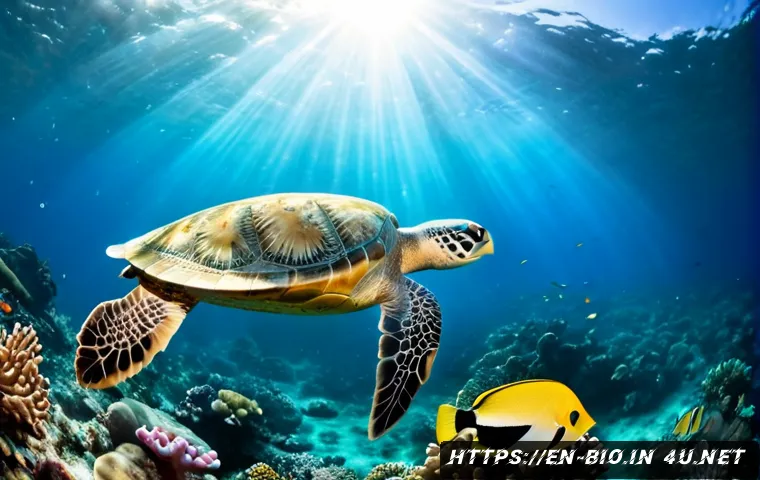
Marine biology is the study of organisms living in saltwater and brackish-water environments, along with their ecological relationships. It includes the living systems of coastal zones, coral reefs, estuaries, open oceans, deep-sea habitats, and polar waters. The subject can involve small organisms, plants, invertebrates, fish, and marine mammals—not only the most visible animals.
Marine Organisms, Habitats, and Ecosystem Relationships
A marine biology course may focus on how organisms survive, reproduce, compete, feed, and respond to changing conditions. Plankton are especially important because they form a major foundation of many marine food webs and influence ocean carbon cycling. This means that studying marine life is often also about understanding connected ecosystems rather than simply identifying species.
How Marine Biology Differs From Oceanography, Ecology, and Zoology
Marine biology centers on ocean organisms and their relationships. Oceanography can cover a wider range of ocean processes, while ecology examines relationships between organisms and environments across many settings. Zoology focuses on animals more broadly. These fields can overlap, so review the actual modules in a marine science degree or online science course instead of relying on the program name.
Three-Line Summary for Prospective Learners
Choose marine biology if you want to understand living ocean systems through science and evidence. Expect data, writing, and practical methods alongside organism-focused learning. Do not assume the field is limited to animal care, aquarium work, or diving.
Core Topics and Skills Students Commonly Build
Strong marine biology training combines biological knowledge with practical research skills. The most useful mix depends on whether you hope to move toward conservation, fisheries, aquaculture, environmental consulting, education, government research, or nonprofit work.
Ecology, Evolution, Conservation, and Marine Food Webs
Students commonly encounter ecological relationships, evolution, conservation questions, habitats, and food webs. These topics help learners connect individual organisms to broader marine ecosystems. A course with only appealing species content may be interesting, but it may not provide enough preparation for research-oriented work.
Statistics, Data Analysis, GIS, and Scientific Communication
Many entry-level roles value statistics, scientific writing, species identification, laboratory methods, and data management. GIS mapping, data modeling, and remote sensing can also be relevant. If you are comparing career-focused training, look for clear evidence that students practice interpreting data and communicating findings, not just watching lectures.
Field, Laboratory, and Remote-Monitoring Methods
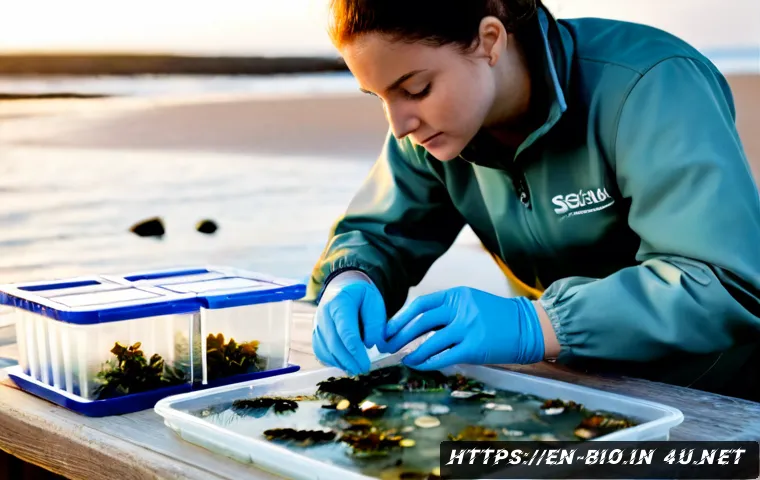
Marine biologists may use field surveys, laboratory analysis, underwater observation, GIS mapping, remote sensing, and data modeling. Each method answers different questions. A field course can offer useful experience, but laboratory work or software training may be the better investment when your intended path depends on analysis or data management.
Compare Learning Routes: Degree, Online Course, Field School, or Independent Study
The best route is the one that closes the gap between your current skills and your intended work. Prestige or tuition alone is not a reliable selection method.
What Each Route Is Best For
A degree program can provide structured study across biology, ecology, quantitative work, and research practice. An online certificate may suit someone testing interest in marine science or learning a focused topic. Field schools can be valuable when supervised practical methods are central to your plan. Independent study is a sensible starting point for learners who want to explore marine ecosystems before committing to a larger expense.
Cost Factors: Tuition, Travel, Equipment, Certifications, and Insurance
Total training cost can include tuition or course fees, travel, accommodation, equipment, certifications, insurance, and field-related expenses. These costs vary by location, institution, program format, and the activities involved. Ask whether essential equipment is supplied, whether travel is included, and whether a diving qualification or boating-related training is expected.
Questions to Ask Before Paying for a Course or Training Program
Ask what skills you will practice, who supervises field activities, how much access students receive to laboratories or field sites, and whether the program explains its safety procedures. Also ask how the program supports career planning. Official course pages should clearly describe curriculum, practical requirements, total fees, and entry conditions.
Practical Work, Safety, and Common Beginner Mistakes
Marine fieldwork can be rewarding, but it is not always predictable. Weather, permits, equipment needs, and access to boats or coastal sites can shape what is possible.
Fieldwork Expectations, Permits, Weather, and Boat Safety
Field surveys may involve changing weather, boating safety requirements, permits, and specialized equipment. A well-planned program should make responsibilities clear before the activity begins. Do not assume that a scenic field location automatically means extensive hands-on research time.
When Scuba or Boating Certification May Be Relevant

Scuba or boating qualifications may be relevant for certain activities, but they are not universal requirements for studying marine biology. Many projects use shore-based observation, laboratory analysis, GIS, remote sensing, or existing datasets. Confirm whether a qualification is required for your specific course, placement, or job target before paying for certification.
Mistakes to Avoid When Planning a First Research Project
A common mistake is choosing a topic that is too broad or building a plan around equipment you cannot safely access. Another is skipping quantitative training because the biological topic feels more exciting. Start with a clear question, an achievable method, appropriate supervision, and realistic data management plans.
Career Directions and Situation-Based Study Advice
Marine biology can lead toward several sectors, but job availability, degree expectations, and role requirements differ across employers and specialties. Match your learning choices to the work you want to explore.
Conservation and Wildlife Management
Conservation-related work may involve ecosystem understanding, species identification, surveys, scientific communication, and data handling. Learners interested in this direction should prioritize ecology, conservation concepts, research methods, and opportunities to work with real data.
Fisheries, Aquaculture, and Environmental Consulting
Fisheries and aquaculture can connect marine biology with organism health, production systems, habitats, and resource management. Environmental consulting may involve field surveys, reporting, permits, mapping, and data analysis. Training that builds practical documentation and analytical skills can be relevant across these paths.
Advice for School Students, University Applicants, and Career Changers
School students can begin with foundational biology and data skills. University applicants should compare module lists, practical access, and mentoring rather than choosing from a title alone. Career changers may benefit from an online course or focused software training first, then decide whether a degree, field school, or laboratory experience is necessary.
Choosing a Program and Budget: Decision Criteria at a Glance
Compare field access, total fees, and career support before enrolling. Check whether the curriculum includes quantitative work, scientific writing, laboratory methods, and relevant ecological content. Separate essential costs, such as required course materials or safety provisions, from optional purchases that may not be needed at the beginning. Confirm equipment policies, certification requirements, insurance arrangements, and supervision before committing. Review the official program page for detailed course conditions, included resources, and current fee information.
Compare Curriculum Depth, Mentoring, Field Access, and Career Support
Look for a clear balance between scientific concepts and practical skill-building. Ask whether students receive feedback on reports, data work, and field methods. If career preparation matters, find out whether the program provides meaningful guidance on relevant pathways rather than vague promises.
Identify Which Costs Are Essential Versus Optional
Required costs depend on the institution and the type of training. Specialized equipment, travel, diving qualifications, and insurance may be necessary in some situations but unnecessary in others. Buy or book only after confirming what the program provides and what your planned activities actually require.
A Final Checklist Before Enrolling or Buying Equipment
Confirm the learning outcomes, practical components, instructor supervision, safety arrangements, total costs, and the connection to your intended career direction. This simple check can prevent paying for a course that offers interesting content but limited practical value.
Conclusion
Marine biology is both a study of ocean life and a practical science of ecosystems, evidence, and research methods. The right education route depends on your goals, existing experience, budget, and need for supervised practical work. A degree, online course, field school, or independent learning plan can each be useful when chosen for a clear reason. Focus on transferable skills as well as your interest in marine organisms.
Useful Things to Know
1. Plankton are central to many marine food webs and ocean carbon cycling.
2. Marine research can take place in the field, laboratory, office, or through remote-monitoring tools.
3. Diving is relevant to some activities, but it is not the only route into marine science.
4. Statistics and scientific writing can be as important as species knowledge.
Important Notes
Tuition, field program fees, scholarships, equipment expenses, certification requirements, and insurance arrangements vary by country, provider, location, and course format. Career outcomes, salary ranges, and degree requirements also vary by employer and specialization. Verify accreditation, curriculum details, field access, safety procedures, and current total costs directly with the relevant institution or training provider.
Frequently Asked Questions
Q1. Is marine biology a good major for someone who wants to work in conservation?
A1. It can be a relevant choice because marine biology includes ecology, ecosystems, conservation-related topics, field surveys, and data-based research. For conservation-focused goals, prioritize programs that also build statistics, scientific writing, data management, and practical research skills.
Q2. How much should I budget for a marine biology course or field program?
A2. The total depends on the country, institution, location, and program format. Consider tuition or course fees alongside travel, accommodation, equipment, certifications, insurance, and any field-related expenses. Request a complete list of included and excluded costs before enrolling.
Q3. Do I need scuba certification to study or work in marine biology?
A3. Not always. Some field activities may require diving qualifications, while other marine biology work uses laboratory analysis, shore-based surveys, GIS mapping, remote sensing, or data modeling. Check the requirements for the specific program or role you are considering.